
Tactical Athlete Program FAQ: Complete Guide to Training, Selection Prep & Performance
What a tactical athlete program is, who it's for, and how to pick the one that fits your goals
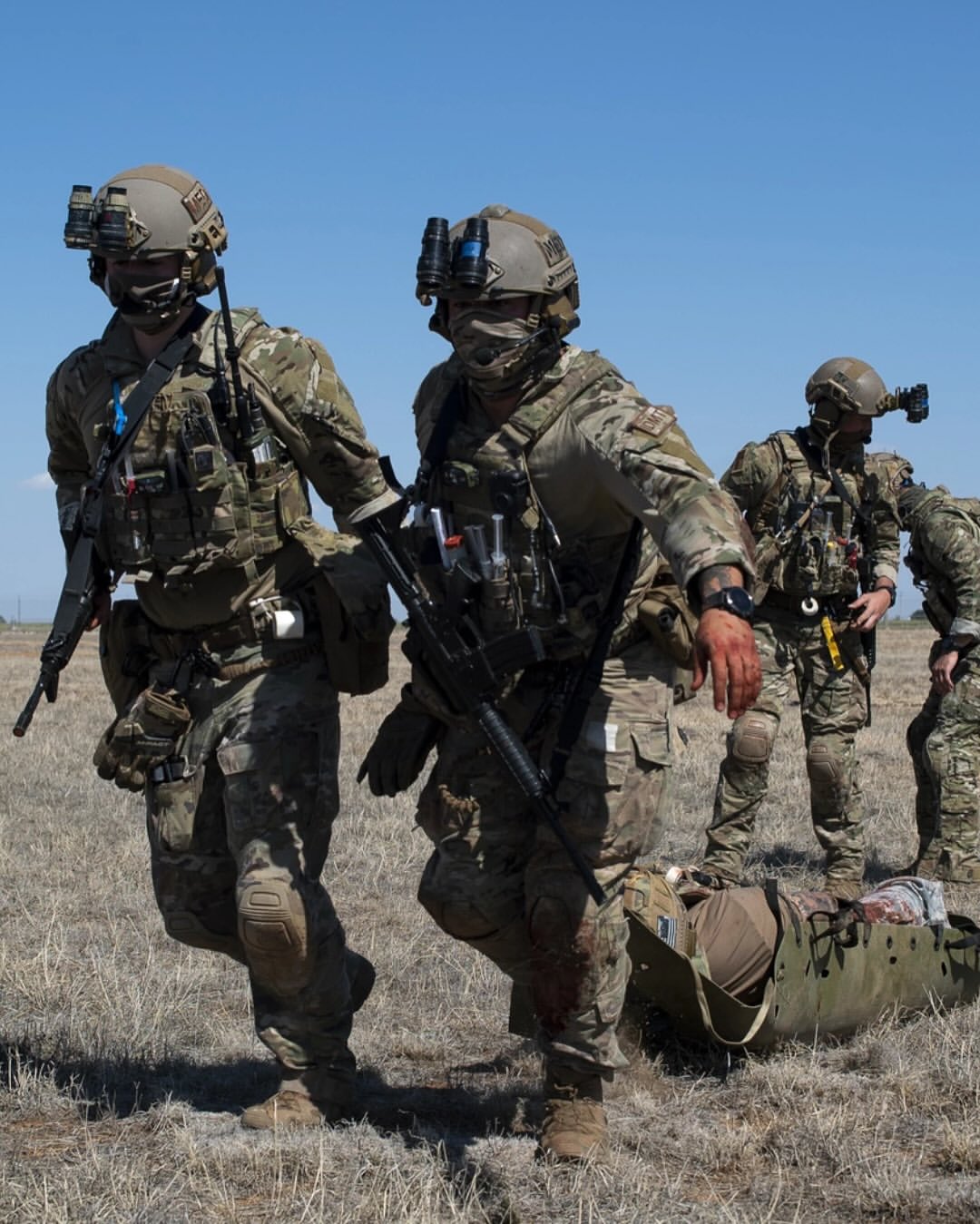
Tactical athletes do not train for one quality in isolation. A tactical athlete program is a structured training system built to develop strength, endurance, speed, and durability at the same time, the exact qualities military, law enforcement, and special operations performance demand. A tactical athlete is anyone who has to deliver across all of those demands at once instead of specializing in a single sport, and that is what separates a tactical athlete training program from standard gym programming. It is not about looking fit. It is about being capable under load, under fatigue, and on demand.
That also makes choosing the right program harder. A lot of athletes know they need better training, but they are not always sure what kind of program actually fits their goals. Some need beginner structure. Some need hybrid performance. Some need rucking and running for military selection. Some need swimming, operator durability, or law-enforcement-specific preparation.
This Tactical Athlete Program FAQ answers the biggest questions around what these programs are, who they are for, how they work, and how to choose the right one.
What is a tactical athlete program?
A tactical athlete program is a structured training system that develops strength, endurance, work capacity, and durability together, so the athlete can perform across many physical demands at once. Unlike a standard gym plan built around a single goal, a tactical athlete training program is engineered for real-world performance under load and fatigue.
Instead of focusing only on physique, general fitness, or isolated strength, a tactical athlete program is built around qualities like:
aerobic endurance
strength and power
work capacity
load-bearing ability
movement quality
durability and recovery
performance under fatigue
A good tactical athlete program helps someone become more capable in the demands that matter most for military, law enforcement, special operations, rescue, or performance-based hybrid training.
Who is a tactical athlete program for?
A tactical athlete program is rarely one-size-fits-all, it's built for a range of high-demand roles:
military applicants and active-duty personnel
special operations candidates
law enforcement officers
tactical unit members
firefighters and rescue personnel
first responders
hybrid athletes
civilians who want performance-focused training
Not every tactical athlete needs the same plan. A beginner preparing to run more consistently does not need the same program as someone preparing for SFAS, Pararescue, or a police tactical team. That is why strong training ecosystems include multiple entry points.
What makes tactical athlete training different from normal fitness programs?
The biggest difference is purpose.
Most general fitness programs focus on one or two goals:
building muscle
losing fat
improving general health
improving one sport-specific quality
Tactical athlete training is broader. It needs to prepare someone for more than one demand at once.
That often means balancing:
strength and endurance
speed and durability
performance and recovery
high output and long-term sustainability
A bodybuilder can afford to ignore running.
A distance runner can afford to ignore maximal strength.
A tactical athlete usually cannot afford either.
What should a good tactical athlete program include?
A good tactical athlete program should include structure, progression, and balance. At minimum, it should address:
strength training
aerobic development
conditioning or work capacity
mobility or movement quality
recovery management
appropriate progression over time
Depending on the goal, it may also include:
rucking
swimming
grip and carry work
tactical agility
selection-specific event preparation
The best programs do not just make training hard. They make training appropriate.
How do you choose the right tactical athlete program?
There is no single best tactical athlete program, the right tactical athlete training program depends on four things:
current fitness level
primary goal
equipment access
specific operational or performance demand
For example:
Step Off! works well for beginner running with supportive lifting
Resurgence fits beginners who need lifting and cardio
Functional + suits beginner/intermediate hybrid athletes
Highspeed 2.0 is ideal when no equipment is available
Dismount 4.0 makes sense for rucking, running, and lifting
AMPHIB 4.0 is better for athletes needing swimming, running, and lifting
Hybrid Elite fits advanced strength-and-endurance balance
Marathon + suits longer-distance running with supplementary lifting
35M5M 4.0 is ideal for advanced running performance paired with lifting
The right program is not the hardest one. It is the one that best matches the athlete’s actual demands.
Can beginners use a tactical athlete program?
Yes, but they need the correct entry point. One of the most common mistakes beginners make is choosing a program based on identity rather than readiness. They pick the most advanced tactical option because that feels motivating, but the training volume, intensity, or specificity is too high.
A better starting point is often:
Step Off!
Resurgence
Functional +
Highspeed 2.0
These programs allow the athlete to build a foundation before moving into more advanced systems.
How many days per week should a tactical athlete train?
Most tactical athlete programs fall between 4 and 6 training days per week. The right number depends on:
training age
recovery ability
goal specificity
outside life stress
current work demands
A beginner may do very well on 4 days per week.
A more advanced athlete or selection candidate may need 5 or 6 structured sessions per week, especially if they are balancing multiple modalities like running, lifting, swimming, and rucking. Programs like SOF OPERATOR Base are designed around sustainable weekly structures rather than just maximum training frequency.
Do tactical athlete programs include running?
In most cases, yes. Running is one of the most important elements of tactical performance because it helps develop:
aerobic capacity
recovery ability
pacing
movement efficiency
endurance under fatigue
Programs with a stronger running emphasis include:
Step Off!
35M5M 4.0
Marathon +
Hybrid Elite
Dismount 4.0
AMPHIB 4.0
Running is rarely the only piece, but it is often one of the most important ones.
Do tactical athlete programs include rucking?
Many do, especially when the target population is military or land-based tactical.
Rucking develops:
load-bearing capacity
lower leg and foot durability
postural endurance
long-duration work tolerance
mental resilience
For athletes needing a dedicated ruck-run-lift structure, Dismount 4.0 is one of the clearest fits. For more advanced land-based pipeline demands, SOF-LAND becomes even more specific.
Do tactical athlete programs include swimming?
Some do, and when swimming matters, it matters a lot. Water confidence, swim endurance, and movement in aquatic environments are essential for certain military and special operations pathways. A generic hybrid program is usually not enough.
That is where:
AMPHIB 4.0
SOF-SEA
SOF-AIR
make more sense than general training options.
If the goal includes diver prep, maritime SOF, amphibious operations, or rescue-based swimming demands, the program needs to reflect that directly.
Can tactical athlete programs build muscle?
Yes, but the answer depends on the specific program. Some tactical athlete programs prioritize broad performance over maximal hypertrophy. Others lean more directly into muscle-building while still fitting within a broader performance framework.
For more hypertrophy and strength emphasis:
Blackout 3.0
Mass Gainer 2.0
For more hybrid performance with muscle retention:
Hybrid Elite
35M5M 4.0
Marathon +
A tactical athlete does not need to avoid building muscle. They just need muscle that supports performance rather than getting in the way of it.
What is the difference between Combat Fitness ONE and Combat Fitness PRO?
Combat Fitness ONE is the core training tier and includes the main Combat Fitness program ecosystem. That includes beginner, intermediate, and advanced options such as:
Step Off!
Resurgence
Combat Medicine
Mass Gainer 2.0
Highspeed 2.0
Functional +
35M5M 4.0
AMPHIB 4.0
Dismount 4.0
Blackout 3.0
Hybrid Elite
Marathon +
Combat Fitness PRO includes everything in ONE plus more advanced tactical-specific pipeline programs, such as:
SOF-LAND
SOF-SEA
SOF-AIR
SOF OPERATOR Base
Tactical URBAN
ONE is a strong fit for most athletes who want structured tactical or hybrid performance training. PRO makes more sense for those needing more specific operator, selection, or tactical-unit-focused programming.
Which program is best for special operations preparation?
That depends on the pipeline. SFAS, RASP, and Ranger School load the body very differently than BUD/S, SWCC, or Pararescue selection, so the right tactical athlete program is the one matched to the exact pathway you're training for.
For land-based selection demands:
SOF-LAND
For water-based and maritime pathways:
SOF-SEA
For rescue, aviation, and hybrid run-swim-power demands:
SOF-AIR
For general operator durability, readiness, and sustainable performance:
SOF OPERATOR Base
For police tactical and urban mission profiles:
Tactical URBAN
At the ONE tier, supporting programs like Dismount 4.0, AMPHIB 4.0, and 35M5M 4.0 can also play a strong role depending on the athlete’s needs.
Are tactical athlete programs good for hybrid athletes?
Yes. In many cases, they are one of the most practical forms of hybrid training.
A hybrid athlete needs:
strength
endurance
smart progression
durability across multiple systems
That is exactly what tactical athlete programming is built to develop.
Programs like:
Hybrid Elite
35M5M 4.0
Marathon +
Functional +
fit especially well for hybrid-style goals.
Can tactical athlete programs be done without equipment?
Some can. If an athlete has no equipment access, Highspeed 2.0 is the clearest option. It is bodyweight only and built for minimal-resource environments. That said, the more specific the goal becomes, the more equipment usually matters.
For example:
rucking requires load
swim prep requires water access
advanced strength work benefits from gym equipment
So yes, tactical training can begin without equipment, but more specific performance goals usually require more specific tools.
How long should someone stay on one tactical athlete program?
Long enough to actually adapt and progress. A lot of athletes switch too early because they get bored, feel impatient, or mistake novelty for progress. In reality, most good programs should be followed for a full progression block before moving on. An athlete should switch when:
the goal changes
the season changes
readiness changes
they outgrow the program
a more specific demand is approaching
The advantage of a broader training ecosystem is that athletes can move between programs without losing direction.
Can tactical athlete programs help with fat loss and body composition?
Yes. Tactical athlete programs often improve body composition well because they combine:
resistance training
endurance work
conditioning
high weekly output
consistent structure
For general body composition improvements with performance benefits, programs like Functional +, Resurgence, and Hybrid Elite are strong fits.
For more physique-specific emphasis:
Mass Gainer 2.0
Blackout 3.0
Do tactical athlete programs require coaching?
Not always, but coaching can help. A structured program already removes a lot of guesswork. That alone is valuable. Coaching becomes even more useful when:
the athlete is plateauing
the goal is very specific
the athlete is managing injuries or constraints
there is a need for accountability
training needs to be adjusted around life and work demands
This is often where a higher tier like Combat Fitness PRO becomes more attractive.
What makes a tactical athlete program worth paying for?
A tactical athlete program is worth paying for when it gives the athlete:
clearer direction
better structure
better progression
more specificity
less wasted time
a better fit for their real demands
The more complex the goal, the more valuable this becomes. Trying to piece together running, lifting, rucking, swimming, recovery, and selection prep alone usually creates gaps. A strong program closes those gaps.
Tactical Athlete Program FAQ: Quick Answers
Quick-reference answers to the most common tactical athlete program questions:
What is a tactical athlete program?
A tactical athlete program is a structured training plan designed to improve strength, endurance, work capacity, durability, and real-world performance across multiple physical demands.
Who should follow a tactical athlete program?
Military personnel, law enforcement, first responders, special operations candidates, hybrid athletes, and performance-focused civilians can all benefit from one.
What is the best tactical athlete program for beginners?
Programs like Step Off!, Resurgence, Functional +, and Highspeed 2.0 are strong entry points depending on experience and equipment access.
What is the best tactical athlete program for rucking and running?
Dismount 4.0 is one of the best options for athletes who need a clear ruck-run-lift structure.
What is the best tactical athlete program for swimming?
AMPHIB 4.0 is a strong fit at the ONE tier, while SOF-SEA and SOF-AIR provide more specific water and rescue-oriented development in PRO.
What is the difference between Combat Fitness ONE and PRO?
ONE includes the core Combat Fitness program library. PRO includes everything in ONE plus more tactical-specific pipeline programs like SOF-LAND, SOF-SEA, SOF-AIR, SOF OPERATOR Base, and Tactical URBAN.
Can tactical athlete programs build muscle?
Yes. Programs like Blackout 3.0 and Mass Gainer 2.0 are more hypertrophy-focused, while other tactical programs help maintain muscle while improving performance.
Can tactical athlete programs help with fat loss?
Yes. Their blend of strength, endurance, and conditioning makes them highly effective for body composition change when paired with consistent nutrition.
Can you do tactical athlete training at home?
Yes. Highspeed 2.0 is designed for bodyweight-only training, and some other options can be adapted for limited equipment.
How do you choose the right tactical athlete program?
Choose based on current fitness, equipment, and the actual demands ahead. The best-fit program is usually better than the hardest-looking option.


