
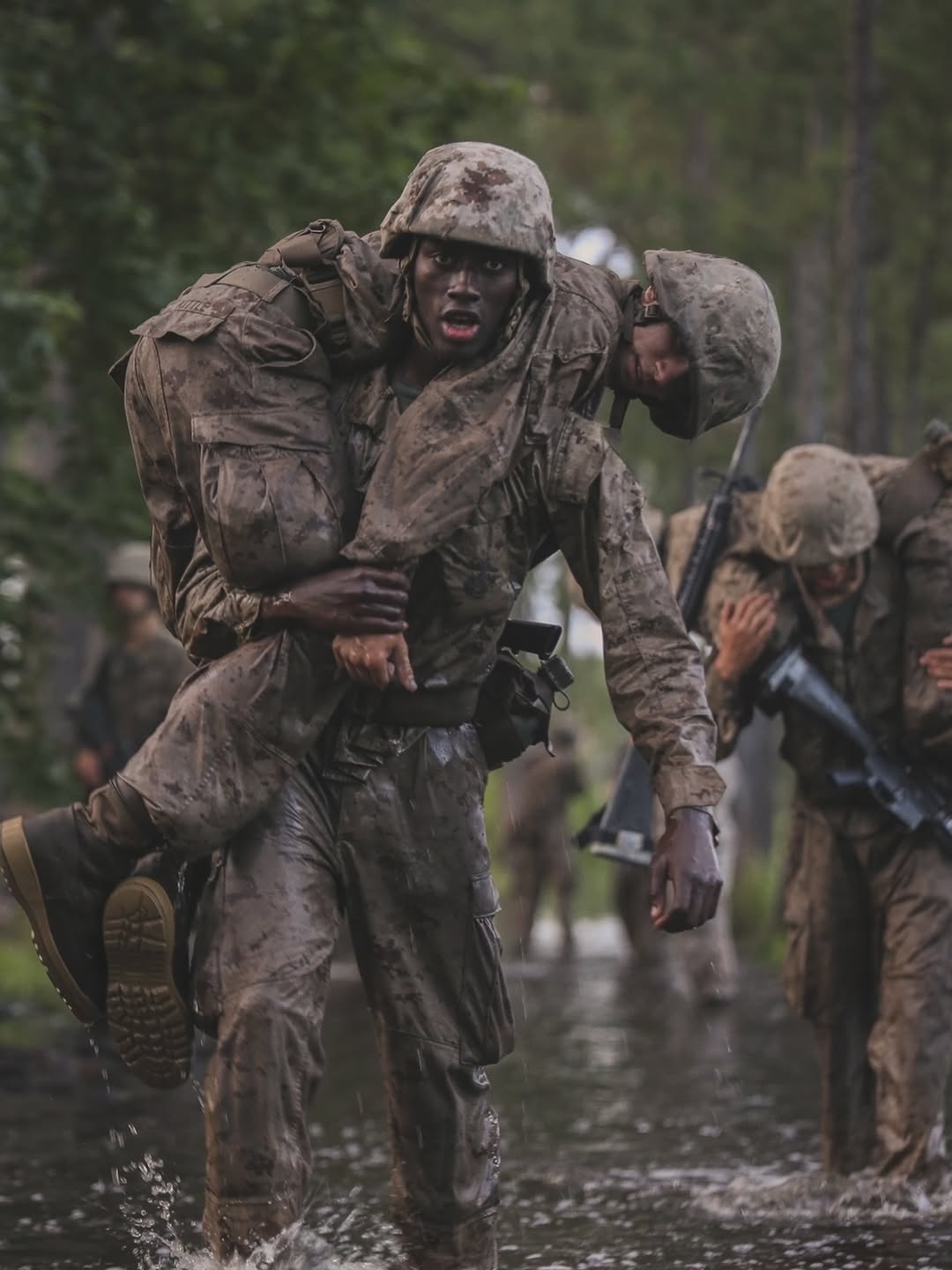
Pre-RASP PT Test: Ranger Fitness Standards
Preparing for the Pre RASP PT Test
The tan beret of an Army Ranger is one of the most respected symbols in the U.S. Military, earned, never given, and the journey begins long before the first day of training. For those who dare to try, it starts with a stark physical question: can you pass the standards? The pre-RASP PT test is the gate that filters out all but the most prepared candidates from the very start, and this guide breaks down every event and the score you need to clear it. Getting to that starting line rarely happens by accident, it usually takes structured tactical athlete performance programs built around these exact benchmarks.
There are really two physical gates on the road to the 75th Ranger Regiment, and it helps to keep them straight. First, every candidate clears the Army Fitness Test (AFT), the universal standard since June 2025, then passes the higher pre-RASP entry screen just to class up. Second, once selection begins, the RASP fitness events themselves raise the bar again: a five-mile run, a 12-mile ruck, chin-ups, and a uniform swim. This guide breaks down both gates and the scores that clear them. One important distinction: RASP is the selection course for the Regiment and is separate from Ranger School, which runs its own, recently revised fitness assessment. One important distinction: RASP is the selection course for the Regiment and is separate from Ranger School, which runs its own, recently revised fitness assessment.
Understanding the First Hurdle to Becoming a Ranger
Before anyone attempts to become a Ranger, they must first clear a specific physical gauntlet. This screening acts as a gatekeeper, designed to immediately filter out anyone who lacks the baseline tools to handle the extreme demands of the full selection course. It exists for one reason: the Ranger role is a specialist's job, and these standards are built to find candidates who can endure prolonged, intense stress day after day, not just for one test, but repeatedly under fatigue.
Passing this test, however, is not the finish line, it's the price of admission. Meeting the minimum standards simply earns you the opportunity to start RASP. It proves you have the raw physical potential, but the true test of mental fortitude and resilience has yet to begin. Choosing the right Ranger prep program is what turns that raw potential into a schedule you can actually train against.
The 5-Mile Run Standard: Can You Sustain an 8-Minute Mile Pace?
The most daunting event is the five-mile run. The non-negotiable standard is a completion time of 40 minutes or less, a benchmark that demands you hold at least an 8-minute-per-mile pace for the entire distance. That is a long way to sustain that speed, and it is the single longest timed run used by any U.S. military selection pipeline, which is exactly why it separates prepared candidates from hopeful ones.
Finishing in 39:59 gets you a pass, but the unwritten rule in elite military communities is to be competitive, not just compliant. A truly prepared candidate aims to finish in under 35 minutes, a blistering 7-minute-per-mile pace. A faster time signals that you have the physical capacity to handle the run and still have energy left for whatever demanding task comes next. Speed is only one line item, and the full list of Army Ranger requirements stretches well beyond any single run. This requires dedicated training focused on sustained pace and building durable endurance.
Beyond Rep Counts: Mastering the Push-Up and Sit-Up Standards
After proving your endurance on the run, the test zeroes in on muscular stamina through timed calisthenics, each performed within a strict two-minute limit. Falling short by even a single repetition can end your attempt. These are core PT requirements for aspiring Rangers, and they reward repeatable, clean reps over raw maximum effort. The pre-RASP entry screen is where muscular stamina gets tested directly. To class up for RASP, candidates must clear 53 push-ups and 63 sit-ups, each within a strict two-minute limit, along with 4 pull-ups and a 2-mile run in 14:30 or less.
Falling short on any event can end your attempt before selection even starts. These benchmarks reward repeatable, clean reps over raw maximum effort, exactly the quality the cadre are screening for. These PT requirements for Army Rangers are about quality, not just quantity. An instructor scrutinizes every repetition. For a push-up to count, your chest must break the plane of your elbows and you must fully lock out your arms at the top. Anything less, a shallow rep or a sagging back, is a "no-rep" and simply doesn't count. This is why aiming for the minimum is a critical mistake. Under pressure and fatigue, your form can falter. A truly prepared candidate builds a buffer by training to consistently perform 60 to 70 perfect repetitions to comfortably exceed the standard. There is no single army ranger physique that guarantees success; precise form and repeatable performance do.
The Chin-Up Challenge: Proving Your Raw Upper-Body Strength
This test of upper-body power requires a minimum of six chin-ups with your palms facing you. It's an unforgiving measure of strength: anything below the minimum is an instant failure. The event exists to confirm you can handle your own body weight plus heavy equipment, the foundation of carrying loads, scaling obstacles, and moving casualties under stress.
Every single chin-up must begin from a "dead hang," with arms fully extended and your body completely still. There is no room for swinging, kicking your legs ("kipping"), or using momentum. You must pull yourself up smoothly until your chin is definitively clear of the bar before lowering back to a full dead hang. While six perfect reps will pass, the most successful candidates aim to perform 12 to 15. This demonstrates a deep reserve of strength that is essential for the brutal challenges ahead.
Surviving the 12-Mile Ruck March: The Ultimate Test of Fortitude
After the gym, the test moves to the road for the ruck march, a fast-paced, long-distance walk while carrying a heavy load, commonly referred to as the army ranger ruck test. It is a non-negotiable, pass-or-fail event designed to measure your physical endurance and mental toughness under pressure.
The standard is simple to state but incredibly difficult to achieve:
Distance: 12 miles
Time: 3 hours or less
Weight: Approximately 35 pounds in the ruck (dry, before water and rifle)
This breaks down to a required pace of 15 minutes per mile. Doing it for three straight hours with about 35 pounds on your shoulders is a different beast entirely. It's a pace that's too fast to comfortably walk but too slow to efficiently run. Most successful candidates develop a "Ranger shuffle," a unique, ground-eating stride that's part power-walk and part jog. This technique is designed for efficiency, allowing you to cover ground quickly without burning the energy required for a full run. Rangers are not the only ones who live on the road like this, even the National Guard's Ranger battalion builds its reputation on the same kind of loaded marches.
Is There a Swim Test for RASP? Clearing Up the Confusion
A common question among aspiring Rangers is whether they need to be strong swimmers. The answer is an emphatic yes. One of the most critical events in RASP happens in the pool, and this mandatory, pass/fail test often surprises candidates who only prepared for land-based challenges. It is part of the rasp fitness test and broader ranger physical assessment enforced under rasp standards.
This isn't a swimming race. The water event, often run as a Combat Water Survival Test, assesses your ability to stay calm and controlled while wearing a full uniform, and official Army materials describe it as a 15-meter swim in uniform. Instructors are measuring panic control, not swimming speed. An inability to stay composed in the water is a non-negotiable failure, because Rangers must operate safely in any environment, including over and through it.
Your First Step: Aim for 'Competitive,' Not Just 'Passing'
Knowing the exact physical standards transforms an abstract goal into a measurable mission. However, a successful training plan aims higher than the minimums. Truly prepared candidates know that passing is not enough; the goal is to dominate. Your training should focus on building a physical cushion for the immense stress of the course by aiming for two tiers of readiness. In other words, prepare so the ranger fitness test and pre rasp feel like baseline events you can repeat during army rasp training. Physical standards are only one slice of eligibility, details like Army tattoo regulations can quietly gate a candidate before training ever starts.
Pre-RASP entry screen (clear this to class up):
- Push-ups (2 min): 53
- Sit-ups (2 min): 63
- Pull-ups: 4
- 2-Mile Run: ≤14:30
- 6-Mile Ruck (35 lb): ≤1:30
RASP fitness events (during the course) - pass, then aim to compete:
- 5-Mile Run: Pass (<40:00), Compete (<35:00)
- Chin-ups: Pass (6), Compete (12+)
- 12-Mile Ruck (35 lb): Pass (<3:00:00), Compete (<2:50:00)
- 15m Uniform Swim (CWST): Controlled, calm completion
The candidate who squeaks by with six chin-ups is entering a world of hurt. The candidate who shows up with 15 has the physical reserve to absorb sleep deprivation, mental pressure, and the relentless pace of selection. Don't just train to pass the test, train until the competitive numbers feel like your everyday baseline, because that margin is what carries you through the days when the cadre stop counting reps and start counting who quits.
FAQ
What is the pre-RASP PT test, and how is it different from RASP and Ranger School tests?
The pre-RASP PT test is a preliminary, pass/fail physical screening you must clear before you can even start RASP. It’s a gatekeeper designed to verify you meet higher-than-Army-baseline fitness standards. It is distinct from both the full selection course (RASP) and the separate Ranger School PT test and standards, which apply only to Ranger School.
What are the minimum pass standards and the competitive goals I should aim for?
Pre-RASP entry screen: 53 push-ups, 63 sit-ups, 4 pull-ups, 2-mile run ≤14:30, 6-mile ruck (35 lb) ≤1:30.
RASP fitness events:
- 5-mile run: Pass (<40:00), Compete (<35:00)
- Chin-ups: Pass (6), Compete (12+)
- 12-mile ruck (35 lb): Pass (<3:00:00), Compete (<2:50:00)
- 15m uniform swim (CWST): controlled, calm completion
How strict is form on push-ups and chin-ups, and why shouldn’t I train to the bare minimums?
Reps are strictly judged, bad form is a “no-rep.” Push-ups must break the elbow plane at the bottom and fully lock out at the top; chin-ups start from a dead hang, no swing or kip, with the chin clearly over the bar. Because fatigue and pressure degrade form, training for 60–70 clean push-ups and 12–15 strict chin-ups builds the buffer you’ll need to pass under scrutiny.
What exactly is required on the 12-mile ruck, and what is the “Ranger shuffle”?
You must cover 12 miles in 3 hours or less while carrying roughly 35 pounds, about a 15:00/mile pace. That pace is too fast to walk comfortably and too slow to run efficiently, so many succeed with a “Ranger shuffle,” a hybrid power-walk/jog stride that conserves energy while maintaining speed.
Is there a swim test for RASP, and what are instructors evaluating?
Yes, the Combat Water Survival Test (CWST) is a mandatory, pass/fail pool event. It’s not a race; it measures your ability to stay calm and controlled in the water while wearing a full uniform, including scenarios like being blindfolded and disoriented. Failure to maintain composure is a non-negotiable fail because Rangers must operate safely in any environment.
References
U.S. Army. "Army Rangers." goarmy.com. Accessed June 2026.
U.S. Army. "Army Fitness Test (AFT)." Test of record effective June 1, 2025.
***Disclaimer: This content is provided for general informational purposes only. Combat Fitness is not affiliated with the U.S. Department of Defense, and official standards may change at any time. Always consult official military publications for the most up-to-date requirements.***


