
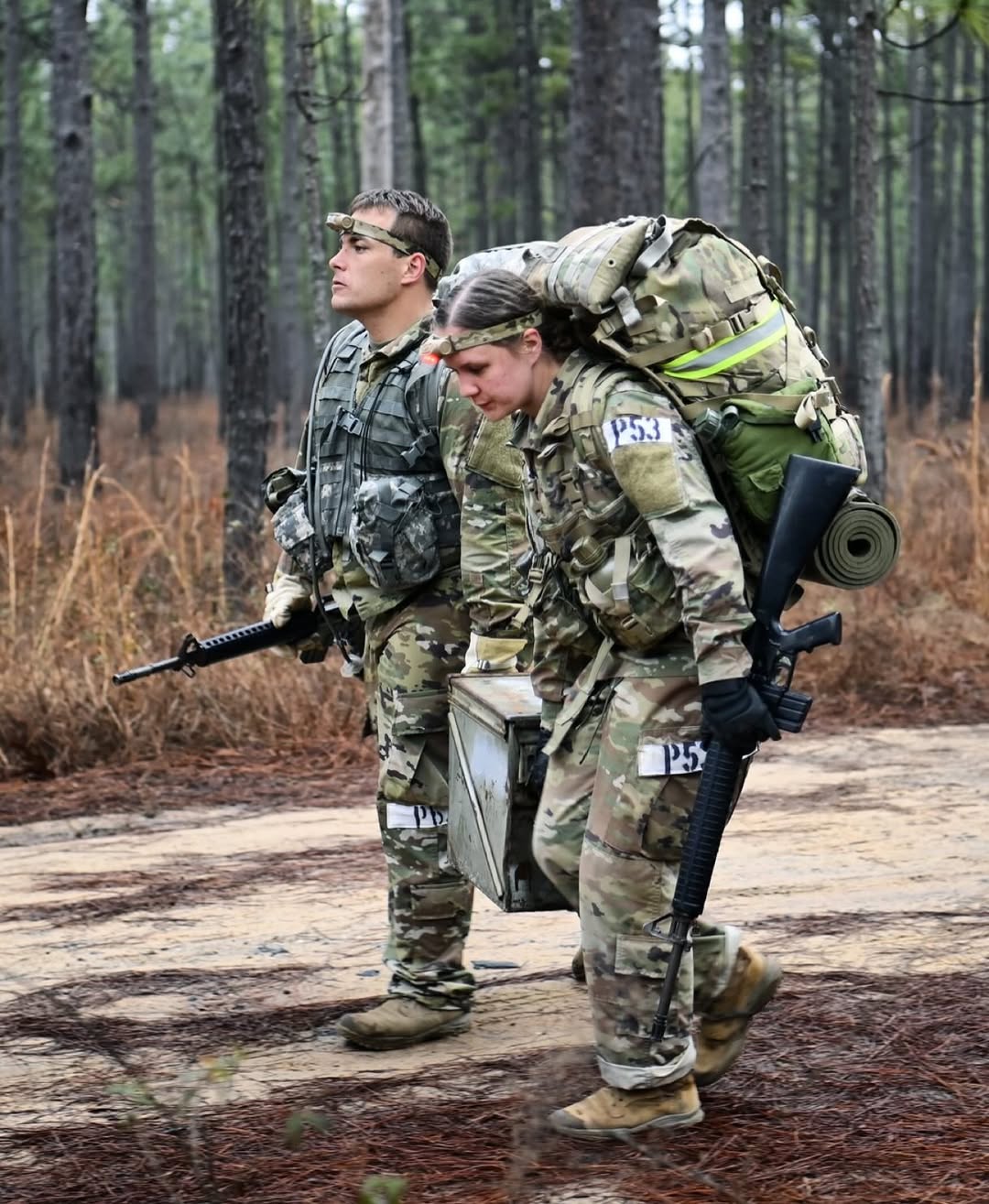
Injury Risk Management for Aging Tactical Athletes
How Injury Risk Changes After 40 - and How to Manage It
Injury is rarely random, and for aging tactical athletes, the margin for error is thinner. Injury risk management for aging athletes isn't about avoiding hard training; it's about managing accumulated stress, load, and recovery so you can keep training and operating for years, not just months. Whether you train from one of our structured military fitness programs or build your own, the principle holds: manage the stress before it manages you.
How you deliver that training matters too, which is why we compare the trade-offs of a training app versus PDF programming for athletes who want structure without guesswork. The same load-management logic underpins body composition work, which we detail in our tactical athlete fat loss programming breakdown. As you age, recovery slows and the same workload costs more. This guide covers how injury risk shifts with age and how to manage it deliberately. It usually traces back to:
Accumulated stress
Poor load management
Missed recovery
Ignored warning signs
As you age, the consequences of these mistakes increase:
Recovery takes longer
Tolerance to load decreases
Small issues become bigger problems
The goal is not to eliminate injury risk.
That is not possible.
The goal is to:
Manage injury risk so you can continue training, performing, and operating over time
This guide breaks down:
How injury risk changes with age
The difference between durability and injury prevention
How training load influences injury risk
A practical framework for managing risk long-term
Durability vs Injury Prevention
We cover the full distinction in our breakdown of durability versus injury prevention. The short version, and what matters for older athletes: prevention is reactive, you avoid risk; durability is proactive, you build the capacity to absorb it. Past 40, you can't avoid your way to longevity. Avoidance shrinks your training until you're too detrained to meet the job's demands. The aging athlete's job is to build tolerance, not dodge stress.
Injury Prevention
Focus:
Avoiding injury
Approach:
Reduce risk
Limit exposure
Control variables
Durability
Focus:
Withstanding stress
Approach:
Build capacity
Increase tolerance
Improve resilience
Key Difference
Injury prevention is reactive.
Durability is proactive.
Aging Consideration
As you age:
You cannot rely only on avoiding risk
You must increase your ability to tolerate stress
Key Insight
The goal is not to avoid stress.
It is to:
Build the capacity to handle it
How Injury Risk Changes With Age
Aging does not guarantee injury.
But it changes the conditions under which injuries occur.
1. Reduced Recovery Capacity
This is the single biggest shift, and it's measurable. Aging muscle recovers more slowly and less completely from hard sessions, delayed, prolonged, and less efficient repair (Fell & Williams, 2008). Practically: a high-intensity lower-body session a 25-year-old clears in 48 hours can leave a 45-year-old under-recovered at 72. Mapping the specific recovery needs of aging athletes is what turns that slower clock from a liability into a plan. Run your old weekly template on a slower repair clock and fatigue stacks session over session. The fix isn't less training, it's spacing the same hard work farther apart.
Slower tissue repair
Longer recovery between sessions
2. Increased Sensitivity to Load
Sudden jumps in workload are where injuries actually happen. When a given week's training load runs roughly 1.5 times what you've prepared for over the prior month, injury risk in the following week climbs two- to four-fold (Gabbett, 2016). That danger zone exists at every age, but the older you are, the smaller the spike needed to reach it, because your tolerated "prepared-for" baseline rebuilds more slowly after any layoff. Ramp gradually; the math is less forgiving than it was at 25.
Sudden spikes have greater impact
Accumulated fatigue increases risk
3. Accumulated Wear and Tear
Twenty years of rucking, PT tests, and deployments leave a record. Tendons and connective tissue stiffen and remodel more slowly with age, old injury sites become recurring weak links, and movement compensations that were invisible at 25 are now load-bearing habits. None of this means stop, it means your warm-ups, your tissue-prep work, and your exercise selection have to account for history your younger training never had to.
Previous injuries
Chronic tightness or imbalances
4. Reduced Margin for Error
Put the first three together and you get the real story: the cost of a mistake scales with age. A tweaked hamstring that sidelines a 25-year-old for three days can sideline a 45-year-old for three weeks, and three weeks of forced detraining is itself an injury risk on the way back. The error rate doesn't have to rise for the consequences to. That asymmetry is why precision matters more every year.
Small mistakes have larger consequences
Key Insight
Injury risk increases not because you are fragile.
But because:
The cost of poor load management becomes higher
What Is Training Load?
Training load is simply the total stress your training places on the body, volume, intensity, frequency, and density combined; we define it fully in what is training load. For aging athletes the only addition is this: the same external load produces more internal stress and takes longer to clear. The number on the program hasn't changed, what it costs you has.
It includes:
Volume
Intensity
Frequency
Density
Why It Matters for Injury Risk
Injury risk increases when:
Load increases too quickly
Load exceeds recovery capacity
Fatigue accumulates
Aging Consideration
As you age:
The same load produces more stress
Recovery takes longer
Key Insight
Most injuries are not caused by a single event.
They are caused by:
Mismanaged training load over time
Performance Longevity Model
Long-term performance is a balance of load, recovery, and durability, the full framework is laid out in the performance longevity model. The aging-specific point is that injury risk stops being a side concern and becomes one of the primary threats to longevity. You don't lose your twenties to fitness ceilings; you lose your forties and fifties to interruptions. Manage the interruptions and the performance largely takes care of itself.
Long-term performance requires balancing:
Training load
Recovery
Durability
Role of Injury Risk Management
Managing injury risk:
Supports consistent training
Reduces interruptions
Maintains long-term performance
Aging Consideration
Injury risk becomes one of the primary threats to longevity.
Key Insight
You do not maintain performance by avoiding injury.
You maintain performance by:
Managing risk while continuing to train
A Framework for Injury Risk Management
The complete decision framework lives in our guide to a framework for injury risk management. Below is how each step changes once you're training on an aging athlete's slower recovery clock, same structure, tighter tolerances.
Step 1: Manage Training Load
Avoid:
Sudden increases
Excessive volume
Progress gradually.
Step 2: Monitor Fatigue
Watch for:
Persistent soreness
Reduced performance
Increased effort for the same work
Step 3: Assess Movement Quality
Fatigue leads to:
Compensation patterns
Poor mechanics
Which increases risk.
Step 4: Evaluate Recovery
Recovery determines:
Your ability to adapt
Your ability to tolerate load
Step 5: Adjust Proactively
Options:
Reduce volume
Reduce intensity
Modify exercises
Increase recovery
Step 6: Address Issues Early
Small problems should be addressed immediately.
Step 7: Rebuild Gradually
After setbacks:
Progress slowly
Avoid rushing back
Early Warning Signs of Injury Risk
The signals don't change with age, how you read them does. A niggle a younger athlete could reasonably train through and watch resolve is, at 45, a yellow flag that warrants action now, because the repair window behind it is longer and the downside of being wrong is larger. Part of that recalibration is telling real pain versus productive discomfort apart, then acting on the difference instead of hoping it fades. Older tactical athletes who stay healthy aren't more cautious by temperament, they've recalibrated what a given warning sign is worth.
Physical Indicators
Persistent tightness
Localized pain
Reduced range of motion
Performance Indicators
Declining output
Increased effort
Inconsistent performance
Behavioral Indicators
Avoiding certain movements
Compensating during exercises
Key Insight
Injury rarely appears suddenly.
It builds over time.
Practical Strategies for Aging Tactical Athletes
1. Prioritize Consistency Over Intensity
This isn't a soft recommendation, it's the protective mechanism. Gradually built, consistently maintained training load develops the physical qualities that buffer you against injury; it's the spikes and stop-start cycles that hurt you (Gabbett, 2016). For an aging athlete, ten solid weeks at 85% beats three brilliant weeks followed by a tweak and two weeks off. Consistency is how you accumulate the chronic load that actually protects the joints and tissues you're worried about. Consistent training builds resilience.
2. Progress Load Gradually
Avoid rapid increases in:
Volume
Intensity
Frequency
3. Maintain Movement Quality
Focus on:
Efficient mechanics
Controlled execution
4. Strengthen Supporting Structures
Connective tissue adapts more slowly than muscle, and that gap widens with age. Tendons, ligaments, and joint structures need longer, lower-grade exposure to get stronger, which means tempo work, controlled eccentrics, and unglamorous stability and isometric work earn their place in an older athlete's week. Skipping straight to heavy or explosive output on under-prepared tissue is exactly how the recurring weak links from the last section turn into time-loss injuries.
Include:
Stability work
Balanced strength development
5. Manage Fatigue
Do not allow fatigue to accumulate unchecked.
6. Integrate Recovery
Recovery is part of training.
7. Adapt to Life Stress
Training should reflect:
Work demands
Sleep quality
Overall stress
Common Mistakes
Almost every mistake here shares one root: training like your 25-year-old self and expecting the same bill. The masters athlete who matches a younger partner rep for rep, ignores the niggle because it "always went away before," and skips the deload because he feels fine is the one who ends up rehabbing. None of these are intensity problems, they're calibration problems.
1. Ignoring Early Signs
Small issues compound into injuries.
2. Training Through Pain
Leads to:
Worsening conditions
Longer recovery
3. Overtraining
Too much load without recovery.
4. No Structure
Random training increases risk.
5. Chasing Performance
At the expense of durability.
A Concrete Example
Say you're 43, just back from three weeks of leave with almost no training. The instinct is to pick up where you left off. Don't. Your prepared-for baseline has decayed, so your old normal week is now a spike, exactly the 1.5x danger zone. Start at roughly 50–60% of your prior volume, hold intensity moderate, and add back about 10% a week. You'll feel held back for a fortnight. You'll also still be training in week six, which is the entire point.
Tactical Application
For a career soldier, LEO, or firefighter, this isn't abstract. The job's demands don't scale down because you crossed 40, the standards, the gear, and the call don't care about your birthday. Sustaining readiness over a 20-year career means training in a way that survives the whole span, not the way that peaks for a single test and breaks down by the next. Injury risk management is what keeps you in the fight long enough for the experience to matter.
Aging tactical athletes must:
Maintain readiness
Sustain performance
Manage increasing constraints
Injury risk management allows:
Continued training
Reduced downtime
Long-term capability
Programs that ignore injury risk:
Fail over time
Final Takeaway
Injury risk is not something to eliminate.
It is something to manage.
As you age:
Recovery becomes more important
Load tolerance changes
Precision becomes critical
If you understand:
The difference between durability and injury prevention
How training load influences risk
How to monitor fatigue and recovery
How to adjust proactively
You can continue to train and perform.
Because the goal is not just to avoid injury.
The goal is to:
Stay capable, consistent, and operational over time
FAQ Section
Why does injury risk increase with age?
Because recovery slows, load tolerance decreases, and accumulated stress increases over time.
How does training load affect injury risk?
Excessive or poorly managed training load leads to fatigue accumulation and increased injury risk.
What are early signs of injury risk?
Persistent soreness, localized pain, reduced performance, and movement compensation.
Should aging athletes reduce training intensity?
Not eliminate it, but use it strategically and manage total load.
What is the biggest mistake in injury risk management?
Ignoring early warning signs and continuing to increase training load without adjustment.
References
Fell J, Williams AD. The effect of aging on skeletal-muscle recovery from exercise: possible implications for aging athletes. Journal of Aging and Physical Activity. 2008;16(1):97–115.
Gabbett TJ. The training–injury prevention paradox: should athletes be training smarter and harder? British Journal of Sports Medicine. 2016;50(5):273–280. doi:10.1136/bjsports-2015-095788


