
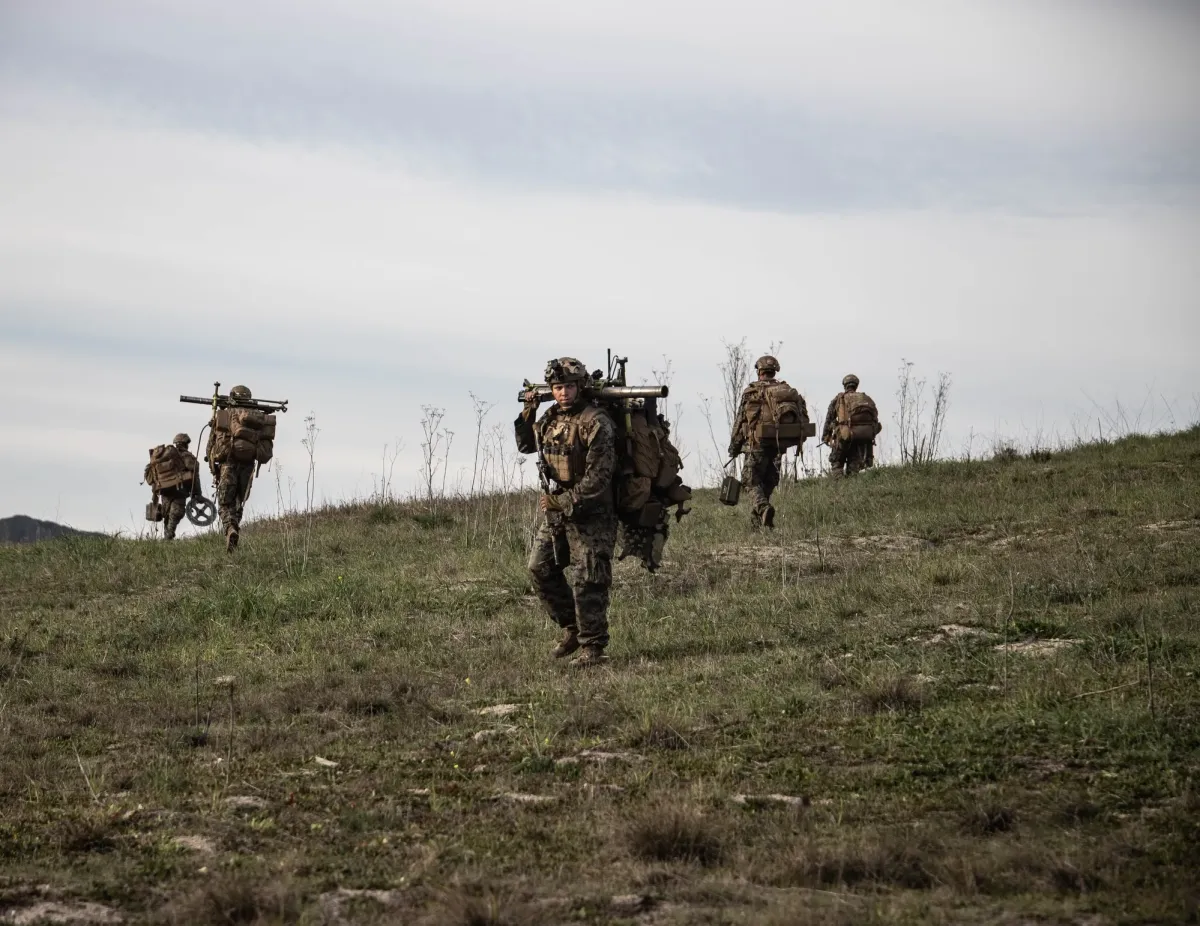
Tactical Athlete Fat Loss FAQ: Lose Fat, Keep Muscle
The Tactical Athlete's Body Composition Guide: Lose Fat, Keep Muscle, Stay Capable
A tactical athlete fat loss program is not the same as fat loss for the average gym-goer, the goal is to get leaner without losing strength, speed, or readiness.
A tactical athlete cannot afford to chase body composition at the expense of performance. Losing weight too aggressively, cutting strength, crushing recovery, or turning training into endless calorie-burning sessions often creates the exact opposite of what is needed. They may get lighter, but they also get slower, weaker, less durable, and less useful.
That is why a real tactical athlete fat loss program has to do more than help someone burn calories. It has to help them become leaner while keeping the qualities that matter: strength, endurance, work capacity, recovery, and readiness.
This Tactical Athlete Fat Loss / Body Composition Program FAQ covers the most common questions around choosing the right training plan, losing fat without losing muscle, and figuring out which Combat Fitness program makes the most sense depending on the athlete’s current level and goal.
What is a tactical athlete fat loss program?
A tactical athlete fat loss program is a structured training system designed to improve body composition while still protecting or improving performance.
That usually means the program combines:
strength training
conditioning
aerobic work
recovery structure
progression over time
The goal is not just to make the scale move. The goal is to reduce excess body fat while maintaining:
muscle mass
strength
endurance
readiness
durability
For tactical athletes, body composition is important because it affects movement efficiency, relative strength, heat tolerance, endurance, and overall operational performance. But it only matters if the athlete still performs well.
Who should use a tactical athlete fat loss program?
This kind of program is a strong fit for:
military personnel who need to improve body composition without losing readiness
law enforcement or first responders who want to lean out while staying capable
special operations candidates trying to improve power-to-weight ratio
hybrid athletes who want better body composition without becoming weak or under-fueled
general population athletes who prefer performance-based fat loss over generic “weight loss workouts”
It is especially useful for people who do not want body composition work to become disconnected from real athletic capability.
What makes tactical-athlete fat loss different from normal weight-loss training?
The biggest difference is that the athlete still has to perform.
Traditional weight-loss plans often prioritize:
calorie burn
scale weight
simple compliance
low-skill, high-volume exercise
But tactical athletes need more than that. They usually need to preserve:
strength
muscle
work capacity
endurance
recovery
resilience under load
A generic fat-loss bootcamp may help someone sweat. It may not help them ruck better, run faster, carry load, or stay durable. That is why tactical-athlete fat loss works best when it is built around performance-first training rather than “burn as many calories as possible” thinking.
Can a tactical athlete lose fat and still keep muscle?
Yes, absolutely.
In fact, that should usually be the goal.
The key is to use a program that includes enough:
resistance training
protein intake
recovery
training structure
to preserve lean mass while fat loss happens.
Most athletes lose muscle during fat loss for one of three reasons:
the calorie deficit is too aggressive
they stop lifting properly
they replace structured training with random high-intensity cardio
The mechanism matters more than the program name. Muscle is preserved in a deficit by giving the body a reason to keep it, heavy, progressive resistance work two to four times per week, and the protein to rebuild it. Sports-nutrition research generally points to roughly 1.6–2.2 g of protein per kilogram of bodyweight to protect lean mass while leaning out, paired with a moderate deficit rather than a crash one. A realistic, sustainable rate of loss sits near 0.5–1% of bodyweight per week; faster than that and the body starts pulling from muscle, not just fat. Programs built around that principle, Hybrid Elite, Functional +, Resurgence, Dismount 4.0, and even 35M5M 4.0, support fat loss well because they keep real training structure in place rather than replacing it with "burn more" sessions.
What should a good tactical athlete body composition program include?
A good tactical-athlete body composition program should usually include:
strength training to retain muscle
aerobic work to improve endurance and energy output
conditioning for work capacity
recovery management
a sustainable weekly structure
progression over time
Depending on the athlete’s goal, it may also include:
running
rucking
swimming
bodyweight circuits
hypertrophy-focused accessory work
The best plans do not treat body composition as separate from performance. They improve body composition by improving the overall system.
What is the best Combat Fitness program for tactical-athlete fat loss?
That depends on the athlete, specifically on what's limiting them right now, not on which program sounds hardest. Someone carrying excess fat with a solid strength base needs a different entry point than an under-muscled athlete or a runner whose engine is already built. The fat-loss programs below map to those starting points, and the broader Combat Fitness training library lets you move between them as your body composition and performance change.
For a lot of people, the best general body-composition options are:
Functional + for beginner/intermediate hybrid fat loss and performance
Resurgence for beginner lifting and cardio
Hybrid Elite for advanced strength + endurance balance
Dismount 4.0 for athletes who want rucking, running, and lifting while leaning out
35M5M 4.0 for athletes whose body composition will benefit from better running performance plus lifting
Combat Medicine for those who enjoy a harder conditioning/WOD-style structure
For athletes who are more under-muscled and need to improve body composition by first building more lean mass, Mass Gainer 2.0 or Blackout 3.0 may be useful in certain phases before shifting into a more fat-loss-oriented hybrid program.
The best option depends on whether the athlete needs:
a base
more conditioning
more endurance
more strength retention
more load-bearing work
Is fat loss mostly about training or nutrition?
It is both, but nutrition drives the deficit. Put plainly: you cannot out-train a kitchen that won't cooperate, but you can absolutely under-eat your way into losing the muscle and performance you came to keep. The deficit decides whether fat comes off; the training decides what you keep while it does. Get protein high, keep the deficit moderate, and let structured training protect the rest.
Training is what helps the athlete:
preserve muscle
maintain or improve performance
keep energy output high
stay mentally anchored to an athletic goal
Nutrition is what usually determines whether body fat actually comes down.
A strong tactical-athlete body composition plan works best when structured training is combined with good nutrition habits, adequate protein, and a realistic calorie deficit. Training alone cannot fully fix poor intake. But poor training can absolutely ruin what would otherwise be a good fat-loss phase.
Can beginners use a tactical-athlete fat loss program?
Yes, and many should. A lot of beginners do not need anything extreme. They need structure, consistency, and a program they can recover from.
Strong starting points include:
Resurgence
Functional +
Step Off!
Highspeed 2.0
These can all help beginners increase activity, build a better base, improve body composition, and avoid the mistake of jumping into an advanced plan they cannot sustain.
Is running the best way for a tactical athlete to lose fat?
Not by itself. Running can be very helpful for fat loss because it improves:
aerobic capacity
calorie expenditure
endurance
work tolerance
But running alone is usually not enough because tactical athletes still need to preserve muscle and strength.
That is why programs like 35M5M 4.0, Step Off!, Marathon +, and Hybrid Elite can be powerful options. They do not just add running. They combine it with structured strength work or supportive lifting.
Is rucking good for tactical-athlete fat loss?
Yes, for the right athlete. Rucking is useful because it:
increases energy expenditure
builds durability
improves load carriage ability
challenges the trunk and lower body
adds low-impact conditioning compared with harder running volume
For athletes who need to improve body composition while building real tactical capacity, Dismount 4.0 is one of the strongest options because it combines:
rucking
running
lifting
That creates a very strong environment for fat loss without turning the athlete into just a smaller version of themselves.
Can a hypertrophy program help with body composition?
Yes, in some cases. Programs like Blackout 3.0 and Mass Gainer 2.0 are not fat-loss-first programs, but they can still improve body composition in a few ways:
by helping an under-muscled athlete build more lean mass
by improving metabolic health through better training consistency
by setting up a stronger later cut phase
For athletes who are already carrying too much body fat and also lack muscle, a muscle-building phase can actually make the next fat-loss phase much more effective. But if the immediate goal is leaning out while staying operationally capable, a more hybrid or tactical performance option usually makes more sense.
Is hybrid training good for tactical-athlete fat loss?
Yes. In many cases, it is one of the best approaches. Hybrid training works especially well for body composition because it combines:
strength work
endurance work
higher weekly output
performance structure
That makes programs like:
Functional +
Hybrid Elite
35M5M 4.0
Dismount 4.0
AMPHIB 4.0
very strong options depending on the athlete’s situation.
For a tactical athlete, hybrid training often provides the best balance between getting leaner and staying capable.
Can swimming help with body composition for tactical athletes?
Yes, especially for athletes who need lower-impact conditioning or water-based performance. Programs like AMPHIB 4.0 can be very effective for body composition because they combine:
swimming
running
lifting
That creates a lot of training density without relying only on repetitive ground-impact work. For athletes with joint stress, water-access, or amphibious/tactical goals, it can be an excellent option.
What is the difference between Combat Fitness ONE and PRO for body composition goals?
Combat Fitness ONE includes the core Combat Fitness library, which already gives athletes a lot of strong body composition options:
Step Off!
Resurgence
Combat Medicine
Mass Gainer 2.0
Highspeed 2.0
Functional +
35M5M 4.0
AMPHIB 4.0
Dismount 4.0
Blackout 3.0
Hybrid Elite
Marathon +
Combat Fitness PRO includes everything in ONE plus more advanced tactical-specific options like:
SOF-LAND
SOF-SEA
SOF-AIR
SOF OPERATOR Base
Tactical URBAN
For pure body composition, ONE is often enough for most athletes. PRO becomes more useful when the athlete’s body composition goal is tied to a more specific tactical demand, such as selection prep, deployment readiness, or operator-level performance maintenance.
Is Combat Fitness ONE enough for fat loss, or is PRO better?
For most athletes focused mainly on fat loss and body composition, Combat Fitness ONE is enough. That is because the ONE library already includes strong options for:
beginners
hybrid athletes
endurance-focused athletes
ruck-run-lift athletes
hypertrophy-supportive phases
Examples:
Functional +
Resurgence
Dismount 4.0
Hybrid Elite
35M5M 4.0
Combat Medicine
PRO becomes the better fit when the athlete wants body composition improvements as part of a more specific tactical pathway, such as land-based SOF, water-based prep, operator readiness, or tactical unit demands.
How many days per week should a tactical athlete train for fat loss?
Most do best on 4 to 6 training days per week depending on level and recovery. The right number depends on:
current fitness
sleep and recovery
work stress
injury history
the type of training being used
A beginner may do very well on 4 days. A more advanced athlete using a hybrid or tactical system may handle 5 or 6. The better question is not “How much can they do?” It is “How much can they recover from while keeping progress moving?”
How do you know if a tactical-athlete body composition plan is working?
A good plan is working when the athlete sees the right tradeoff:
body fat is coming down
muscle is being preserved or performance is holding
strength is stable or improving
running or conditioning is improving
recovery is still manageable
energy is not crashing constantly
If scale weight drops fast but strength, pace, and recovery collapse, the plan is not working well. The goal is not just less bodyweight. The goal is a better-performing athlete with better body composition.
What are the biggest mistakes tactical athletes make when trying to lose fat?
The biggest mistakes usually include:
cutting calories too hard
doing too much high-intensity cardio
removing strength training
chasing sweat instead of progression
choosing aesthetic-only training when performance still matters
not eating enough protein
switching programs too often
trying to diet and overtrain at the same time
Most body composition failures are not because the athlete did too little. They usually happen because the approach was too aggressive, too random, or too disconnected from performance.
Can a body composition program still prepare someone for tactical performance?
Yes, if it is built correctly. That is exactly why tactical-athlete fat loss programs work better than generic cuts for many people. They help the athlete lean out while still developing useful qualities like:
endurance
strength
work capacity
durability
movement efficiency
Programs like Dismount 4.0, Hybrid Elite, 35M5M 4.0, AMPHIB 4.0, and Functional + all help bridge that gap. If you want a side-by-side breakdown of which plan fits your goal rather than a question-by-question walkthrough, the full tactical athlete fat loss program buying guide compares them directly. And if your interest is in blending strength and endurance year-round, the hybrid training approach is covered in more depth elsewhere on the blog.
What is the best Combat Fitness program for fat loss?
That depends on the athlete, specifically on what's limiting them right now, not on which program sounds hardest. Someone carrying excess fat with a solid strength base needs a different entry point than an under-muscled athlete or a runner whose engine is already built. The fat-loss programs below map to those starting points, and the broader Combat Fitness training library lets you move between them as your body composition and performance change.
Can tactical athletes lose fat without losing muscle?
Yes. With good nutrition, adequate protein, and proper strength training, tactical athletes can lose fat while maintaining muscle and performance.
Is running enough for tactical-athlete fat loss?
No. Running helps, but the best results usually come from combining running with strength and structured programming.
Is rucking good for body composition?
Yes. Rucking can be excellent for body composition because it increases workload while also building tactical durability and load tolerance.
Can beginners use a tactical-athlete body composition program?
Yes. Programs like Resurgence, Functional +, Step Off!, and Highspeed 2.0 are strong starting points.
Is Combat Fitness ONE enough for body composition goals?
For most athletes, yes. ONE includes a strong range of programs for fat loss and performance-oriented body composition improvement.
When is Combat Fitness PRO better for body composition?
PRO is better when body composition goals are tied to more specific tactical demands like selection prep, deployment readiness, or operator-level readiness.
Can hypertrophy programs help body composition?
Yes, in the right phase, and for the right athlete. Programs like Blackout 3.0 and Mass Gainer 2.0 can help build lean mass in the right phase, which can support better body composition long term.
What is the biggest key to tactical-athlete fat loss?
Getting leaner without becoming less capable. The best program improves body composition while preserving the qualities that matter most.


