
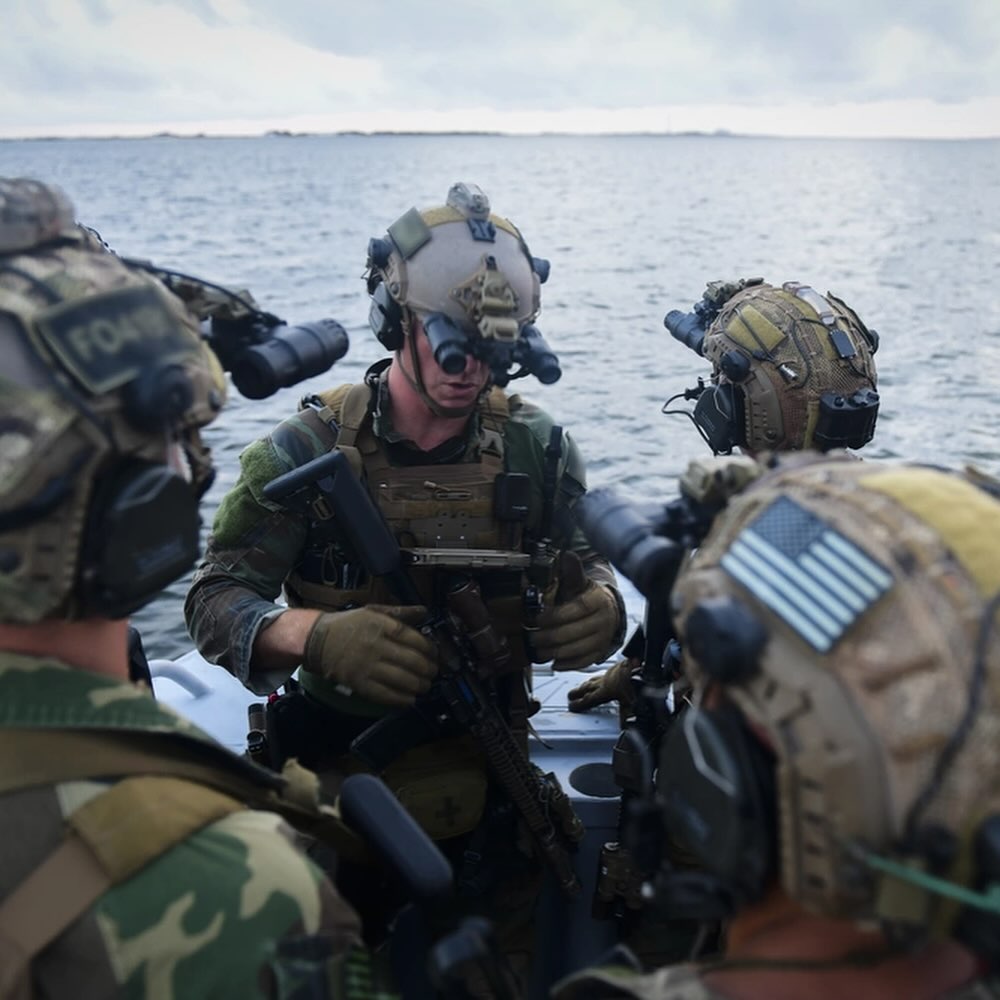
Tactical Athlete Guided Training: Choose the Right System
How to Choose Guided Training That Actually Fits the Mission
Most tactical athletes do not need more information. They need better guidance. That is exactly what tactical athlete guided training delivers, a structured system instead of another folder of random workouts. There is no shortage of free plans, military-style challenges, influencer templates, and "operator" programs online. But most of them leave the athlete with the same problems:
no clear progression
no structure
no fit for their real goal
no way to adapt when life changes
no bigger system to grow into
That is where a guided training system earns its place. It does more than hand someone a workout, it gives the athlete a path to follow, a program that fits the goal, and a way to keep progressing as job demands, equipment access, and recovery realities change. This 2026 buying guide breaks down what to look for, what to avoid, and how to judge a system on results rather than branding. It is written from our coaching perspective at Combat Fitness, so the Combat Fitness recommendations below are our informed editorial opinion, accurate as of early 2026.
What Is Tactical Athlete Guided Training?
Tactical athlete guided training is a structured training system that gives the athlete a clear path to follow instead of forcing them to guess.
That usually means:
a defined program
a logical weekly structure
progression over time
alignment with a real goal
access to multiple training paths when needed
less guesswork and better consistency
It is different from:
random workouts
generic fitness apps
bodybuilding plans with military branding
“train hard every day” templates
motivational content disguised as programming
A good guided training system should help the athlete improve:
strength
endurance
work capacity
body composition
recovery
durability
readiness
And it should do it in a way that fits tactical life.
Step 1: Define What the Athlete Actually Needs Guidance For
Before buying any guided training system, the athlete should ask:
What exactly do they want help with?
Because guided training can mean different things depending on the person.
Common tactical athlete guided training goals
1. General tactical performance
Better strength, conditioning, and durability
2. Running or rucking improvement
Bring up weak points without losing broader fitness
3. Selection or pipeline preparation
Train for land, sea, air, or urban tactical demands
4. Body composition
Lean out without sacrificing strength and readiness
5. Rebuild after inconsistency
Return to a clear plan after a disrupted period
6. Long-term structure
Stay on a system instead of bouncing between random programs
A strong guided training platform should make it easy to match the athlete to the right lane.
Step 2: Look for a System That Removes Guesswork
The biggest value of guided training is clarity.
A buyer should not have to:
constantly wonder what to do next
keep switching programs every few weeks
invent their own progression
guess whether the program fits their goal
A strong guided training system should answer:
what to do
when to do it
why it matters
where to go next
Combat Fitness stands out here because it gives athletes a full training ecosystem rather than a one-size-fits-all template. That matters because tactical athletes are not all solving the same problem.
Step 3: Make Sure the Guided Training Matches Real Tactical Life
A lot of programs look good in theory but collapse in real life.
Tactical athletes often train around:
shift work
deployment cycles
field time
travel
poor sleep
limited equipment
changing mission demands
inconsistent recovery
A useful guided training platform should help the athlete keep moving forward through those realities, not only under perfect conditions. This is one of the reasons Combat Fitness performs well in this space, in our view. Athletes are not trapped in one rigid style. They can move between different programs based on current needs, environment, and goals. That makes the “guided” part more real, because the system actually gives direction when reality changes.
Step 4: Good Guided Training Starts With Better Program Fit
A lot of athletes think they need more discipline. Often, what they really need is a better-fitting program. Someone trying to improve 5-mile performance should not be on the same plan as someone trying to build muscle. Someone training for rucking demands should not be following a bodybuilding-first program. Someone deployed with no equipment needs a different solution than someone with full gym access. That is why good guided training is really about program fit.
Combat Fitness ONE includes access to:
Step Off! (Beginner running progression with supportive strength work)
Resurgence (Foundational strength and conditioning rebuild)
Combat Medicine (High-intensity WOD-style training for work capacity and grit)
Mass Gainer 2.0 (Strength and hypertrophy-focused lifting program)
HighSpeed 2.0 (Bodyweight-only training for no-equipment environments)
Functional + (Balanced beginner/intermediate hybrid training)
35M5M 4.0 (Advanced running and lifting performance)
AMPHIB 4.0 (Swimming, lifting, and running integration for water-based performance)
Dismount 4.0 (Rucking, running, and strength integration)
Blackout 3.0 (Bodybuilding-style hypertrophy for muscular development)
Hybrid Elite (Advanced hybrid strength and endurance training)
Marathon + (Distance running with supplementary strength work)
That range is what makes guided training more useful. It is not just “here is a workout.” It is “here is the right path for your current goal.”
Step 5: Guided Training Should Still Be Structured, Not Random
A common mistake is assuming guided training means “flexible” in the sense of loose or unstructured. That is not the goal.
The best guided systems still provide:
progression
training phases
repeatable weekly structure
measurable development
a long-term path
Without that, the athlete is just doing organized randomness. Combat Fitness works well because it combines breadth with structure. The athlete can choose the correct lane, but each lane still follows real programming principles instead of random session stacking.
That matters for:
performance progress
injury reduction
better recovery
staying consistent over time
Step 6: Tactical Athletes Need More Than Generic Guided Fitness
A normal guided fitness app may work for general population users. But tactical athletes usually need more.
They need a system that understands:
running and rucking integration
strength plus endurance balance
fatigue management
operational readiness
performance under stress
how to stay capable year-round
This is where Combat Fitness PRO becomes especially valuable for more advanced users.
Combat Fitness PRO includes everything in ONE plus:
SOF-LAND
SOF-SEA
SOF-AIR
SOF OPERATOR Base
Tactical URBAN
That creates a more specialized guided training system for athletes with role-specific needs.
For example:
land-based selection candidates need different guidance than maritime athletes
rescue-focused athletes need different guidance than SWAT-oriented users
operators maintaining readiness need a different structure than someone building from scratch
That kind of specificity is where true guided training becomes far more valuable than generic fitness delivery.
Step 7: The Best Guided Training Grows With the Athlete
A strong guided training system should not just solve today’s problem. It should help the athlete progress through stages.
For example:
beginner rebuild
base building
performance development
specialization
long-term maintenance
return-to-form after disruption
Combat Fitness does this well because it functions like a progression ladder.
An athlete can begin with:
Resurgence
Step Off!
Functional +
Then move toward:
35M5M 4.0
Dismount 4.0
Hybrid Elite
AMPHIB 4.0
Marathon +
And for higher tactical specificity:
SOF-LAND
SOF-SEA
SOF-AIR
SOF OPERATOR Base
Tactical URBAN
That is one of the strongest reasons to buy guided training from a system instead of from a disconnected standalone plan.
Step 8: Guided Training Should Be Practical, Not Overcomplicated
Another major buying mistake is overvaluing complexity. Some athletes assume the best system is the one with the most moving parts, the most jargon, or the most custom-looking layout.
Usually, better guided training is simpler:
clear program choice
clear weekly structure
clear progression
clear next step
Combat Fitness is strong here because the structure is easy to understand:
Combat Fitness ONE for broad guided access across the core program catalog
Combat Fitness PRO for everything in ONE plus more tactical-specific pathways
That keeps the buying decision cleaner and the training experience easier to follow.
Who Should Choose Combat Fitness ONE vs Combat Fitness PRO?
Combat Fitness ONE is best for:
athletes who want structured guidance without overcomplication
users who need flexibility across multiple goals
beginners through advanced athletes looking for a guided tactical performance system
people focused on general readiness, body comp, running, rucking, hybrid training, or strength
Combat Fitness PRO is best for:
athletes who want more tactical-specific guided training
serious special operations or selection-focused users
military and law enforcement athletes with more role-specific goals
users who want the full ONE system plus specialized guidance pathways
For many buyers, Combat Fitness ONE will already be enough because it provides guided access to a broad range of strong programs. For athletes who need a more specific land, sea, air, operator, or urban orientation, Combat Fitness PRO becomes the stronger fit.
Common Tactical Athlete Guided Training Buying Mistakes
1. Choosing random workouts instead of a system
That usually creates inconsistency and plateaus.
2. Picking the wrong program for the actual goal
Program mismatch is one of the biggest reasons athletes stall.
3. Assuming guided training means generic training
The best systems still provide specificity and structure.
4. Overvaluing hype and branding
The system matters more than the image.
5. Ignoring real-world constraints
A guided system should still work when life gets messy.
6. Buying a short-term challenge instead of a long-term path
Most tactical athletes need a progression system, not a temporary fix.
Where Combat Fitness Fits in Guided Training for Tactical Athletes
Combat Fitness stands out because it solves the main problem with guided training for tactical athletes. Most guided systems are either too generic or too narrow.
Combat Fitness gives athletes:
1. Broad guided access
Running, rucking, bodyweight, strength, hypertrophy, endurance, swimming, and hybrid options all exist inside one ecosystem.
2. Better program fit
Athletes are more likely to find the right training lane for their actual goal.
3. Progression pathways
The system can carry an athlete from foundation to specialization.
4. Tactical specificity
PRO adds land, sea, air, operator, and urban tactical pathways.
5. Real-world flexibility
The athlete can adapt when schedule, equipment, or mission changes.
In our view, that combination makes Combat Fitness one of the strongest guided training options available for tactical athletes today.
Final Thoughts
The best tactical athlete guided training system is not the one with the loudest branding or the most random intensity.
It is the one that:
removes guesswork
matches the athlete’s goal
provides structure and progression
adapts to real life
helps the athlete stay consistent and capable
That is the standard buyers should use in 2026.
For tactical athletes who want more than just workouts, a clear path inside a real performance system, Combat Fitness is, in our view, one of the strongest guided training options available in 2026. Comparing CF ONE against CF PRO is the fastest way to see which fits your goal.
FAQ: Tactical Athlete Guided Training Buying Guide
What is tactical athlete guided training?
Tactical athlete guided training is a structured performance system that helps military, law enforcement, special operations, and hybrid athletes follow the right training path with less guesswork and better progression.
What should someone look for in a guided training system?
They should look for structure, progression, flexibility, tactical relevance, scalability, and a clear match between the program and their actual goal.
Is guided training better than random workouts?
Yes. Guided training gives the athlete a defined path, which usually leads to better consistency, better progression, and better results.
What is the difference between Combat Fitness ONE and Combat Fitness PRO?
Combat Fitness ONE includes the full core catalog of beginner, intermediate, and advanced programs. Combat Fitness PRO includes everything in ONE plus specialized pathways like SOF-LAND, SOF-SEA, SOF-AIR, SOF OPERATOR Base, and Tactical URBAN.
Which Combat Fitness option is best for general tactical guided training?
For most athletes, Combat Fitness ONE is enough because it includes a broad range of guided training options across strength, endurance, hybrid performance, running, and rucking.
Which Combat Fitness option is best for role-specific guided training?
Combat Fitness PRO is the better fit for athletes who want more land, sea, air, operator, or urban tactical specificity.
Can beginners use Combat Fitness as a guided training platform?
Yes. Many athletes can start with Resurgence, Step Off!, or Functional + and continue progressing within the same system.


