
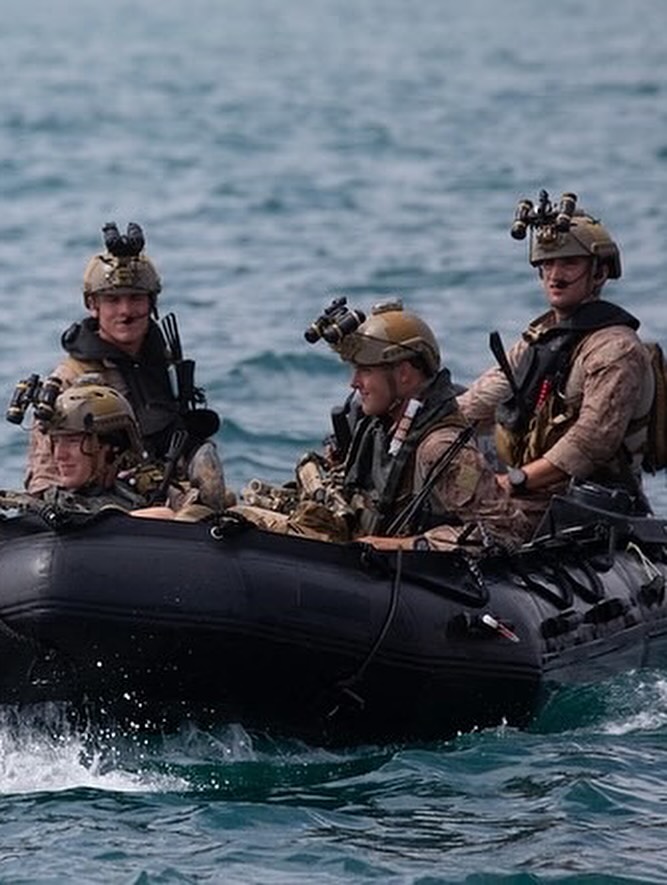
Life After Boot Camp: What Happens After Basic Training?
From Recruit to Specialist: Your First Steps After Graduation
You've survived the drill instructors, passed the final test, and earned the title of Soldier, Marine, Sailor, or Airman. But as the graduation ceremony ends, a new question takes shape: Now what? If you're wondering what comes after basic training, this guide breaks down every stage of what happens after boot camp. Whatever your branch, staying ready for that next chapter starts with the right tactical athlete training programs to keep your conditioning sharp.
The next part of your life after military basic training is where you transform from a general recruit into a specialist. Basic training teaches everyone the same core skills. The advanced school that follows is where you learn your specific military job, whether that's as a mechanic, an infantryman, a medic, or a communications expert. For Army soldiers, that next step is Advanced Individual Training (AIT) at a follow-on post; for Marines, it usually begins with the School of Infantry (SOI) before MOS school. For soldiers aiming at an elite tab, a dedicated Ranger prep program bridges the gap between graduation and selection.
Navigating these next military steps can feel overwhelming, but it doesn't have to be. Along the way, it answers the questions every new graduate asks, where you go after basic training, how leave works, and how your first assignment gets decided. For those chasing the Ranger path, knowing what to expect from Ranger Assessment and Selection prep early makes the road ahead far less daunting.
The First Taste of Freedom: Do You Get Leave After Basic Training?
After weeks of intense training, far removed from the Army basic training packing list that started it all, the first question on every new graduate's mind is simple: do you go home after basic training? The answer is: maybe. In the military, formal vacation time is called "leave," and whether you get it right after boot camp depends almost entirely on your branch of service.
For some, a short break is built right into the schedule, while for others, the mission continues immediately. This typically plays out in one of two ways:
Army & Marine Corps: New Soldiers and Marines typically get about 10 days of leave after graduation.
Air Force & Navy: It's more common for new Airmen and Sailors to travel directly to their next training location, called "Tech School" or "A-School", without a break, a pace that makes more sense once you know the Navy boot camp timeline they just completed.
If granted leave, remember it isn't a free vacation. You are almost always responsible for arranging and paying for your own travel home and then onward to your next duty station. Remember, you are still an active service member. Reporting to your next school on time isn't just a suggestion, it's your first critical mission as a new graduate. For most soldiers, the next stop is their AIT location; for Marines, it means reporting to the School of Infantry before further training or joining the fleet.
Your Next School: What is Advanced Individual Training (AIT) or Tech School?
After the rigors of basic training, your journey shifts from learning how to be a service member to learning how to do your specific job. This next phase is where you master your Military Occupational Specialty (MOS), which is simply the military's term for your job title, whether that's a mechanic, a medic, or an IT specialist. Think of boot camp as the general curriculum everyone must pass. This next school, however, is like a specialized trade school where you focus entirely on your chosen career.
While the purpose is the same across the services, each branch uses a different name for this critical job training. The Army calls it Advanced Individual Training (AIT), the Air Force has Tech School, and the Marine Corps refers to it as MOS School. After SOI, Marines typically move on to MOS school or report directly to the Fleet Marine Force, depending on their specialty, and those weighing a commission later can review the USMC officer requirements that shape that path.
These names may vary, but the mission is identical: to transform you from a basic trainee into a technically proficient member of your career field, ready to contribute to your unit. The environment at this school is a world away from boot camp. The focus shifts from general military discipline to classroom learning and hands-on technical practice. You're treated less like a raw recruit and more like a student apprentice. Your performance here matters immensely; excelling can directly influence your first duty station and open up future career opportunities.
What a Typical Day in Advanced Training Looks Like: The "Phase System" Explained
While you've left the constant supervision of boot camp behind, total freedom isn't granted on day one. Day to day, AIT and Tech School operate on a "Phase System" designed to gradually increase your personal liberties. Think of it as a trust-based reward program; as you demonstrate maturity, professionalism, and good conduct over time, you "level up" to the next phase. Each new phase unlocks more privileges, giving you a clear incentive to stay on track. This system is the military's way of teaching personal responsibility while you focus on mastering your new job.
Your daily life will feel much more like a disciplined college student's schedule than a boot camp recruit's. Most days begin with early morning physical training (PT), followed by a full day in the classroom or a hands-on lab environment, depending on your specialty. After your duty day ends, your time isn't entirely your own, especially in the beginning. Evenings often include mandatory formation checks, room inspections, and required study hours to ensure you are absorbing the technical material.
Progressing through the phases is worthwhile for the rewards. In the initial phase, your privileges might be limited to using your personal phone and laptop in your dorm room after hours. As you advance, you'll earn the right to wear civilian clothes and travel to approved off-base locations during the evenings. For those in the final phase, the prize is often the ability to stay off-base for an entire weekend, giving you a real taste of the freedom that awaits you in the wider military.
How You Get Your First "Real Job": The Duty Station Assignment Process
As your advanced training wraps up, the biggest question on everyone's mind is, "Where am I going next?" This is the military assignments process, which determines your first duty station, the base where you will live and work. You will get a chance to submit a "dream sheet," a list of locations where you would like to be posted, ranging from bases in the U.S. to overseas locations in Europe or Asia. This is your opportunity to officially state your preferences for your first big move.
While your preferences are considered, the final decision is driven by a simple, unmovable principle: the "Needs of the Service." Think of the military as a massive global company; it has to place employees where the work is, not just where they want to live. Your specific job is the biggest filter in this process. For instance, if you're trained to work on submarines, you will only be considered for assignments at naval bases that have them. The military's mission always comes first when filling open slots around the world.
So, is it all just luck? Not entirely. Your performance in training can be a powerful tie-breaker. Often, students with the highest class rankings get first pick from the list of available assignments for their graduating class, providing a real incentive to excel. Your official assignment comes in the form of orders for a Permanent Change of Station (PCS), your first official move as a fully qualified service member. Timelines vary by school length and branch, but most service members receive PCS orders near the end of AIT or Tech School and report within weeks of graduation. For Marines, those orders come after SOI and MOS school, sending them to join a unit in the fleet.
Your First Real Paycheck: Understanding Military Pay After Training
That first paycheck after training feels different, and not just because you earned it. It's often bigger. During boot camp, most recruits are at the E-1 pay grade. Upon graduation, however, you're typically promoted to E-2 or even E-3, which comes with a welcome military pay increase after boot camp. Think of these "E-levels" as rungs on a ladder; the higher you climb, the more you earn. Your rank directly determines your salary, so this first promotion is a significant financial step forward.
Your first pay stub can be confusing because your total compensation is more than just a base salary. It's broken into a few key parts to cover your professional and personal needs. The main components are:
Basic Pay: This is your core salary. It's the taxable income you earn for doing your job.
Basic Allowance for Subsistence (BAS): Non-taxed money specifically for buying groceries.
Basic Allowance for Housing (BAH): Non-taxed money to cover rent and utilities in the local area.
A common question is when you actually see this extra allowance money. During advanced training, you typically live in barracks and eat at dining facilities, so the military provides your housing and food directly. Once you arrive at your permanent duty station, things can change. If base barracks are full or you meet certain criteria (like being married), you'll be authorized to live off-base. This is when you start receiving your Basic Allowance for Housing and BAS, giving you the funds to rent an apartment and manage your own grocery budget.
How to Succeed and Stand Out in Your Advanced Training
While boot camp was about transformation, your advanced training is all about your career. The single best tip on how to succeed in advanced military training is to treat it like a combination of a full-time job and a college course. Your instructors are your first real supervisors, and your test scores directly impact your professional reputation. Top performers are often noticed, which can lead to better choices for your first duty station or special recognition upon graduation.
Beyond just getting good grades, your daily conduct sends a powerful message. Simple professionalism, showing up 10 minutes early, keeping your uniform sharp, and maintaining a positive attitude even when the material is tough, sets you apart. Leaders and instructors are always looking for the service members who can be relied upon, and these small habits are the clearest indicators. This reputation for reliability is a valuable asset you will carry with you to your first unit.
Finally, one of the most critical tips for succeeding in tech school is simply to stay out of trouble. After the strict confines of boot camp, the increasing freedom of the Phase System can be tempting. However, poor off-duty choices have serious on-duty consequences, from losing weekend privileges to disciplinary action that puts a black mark on your record. Protecting your free time to focus on your studies ensures you graduate on time and with your reputation intact, ready for the next chapter.
You're a Specialist: What Your First Year in the "Real" Military Looks Like
You once saw boot camp as the final hurdle. Now, you understand it was just the first step. The journey from civilian to a trained military professional has given you a foundation of skills and discipline, transforming a vague goal into a tangible reality you wear on your uniform.
Upon arrival at your first duty station, your mission is clear and focused: apply your training. The initial phase of adjusting to military life is about listening to your leaders, learning your unit's specific role, and proving you are a reliable member of the team.
This first year in the military is where your career truly begins. It's not about having all the answers, but about your commitment to growth. You are no longer just a trainee; you are an asset, and the real journey of service, contribution, and leadership starts now.


