
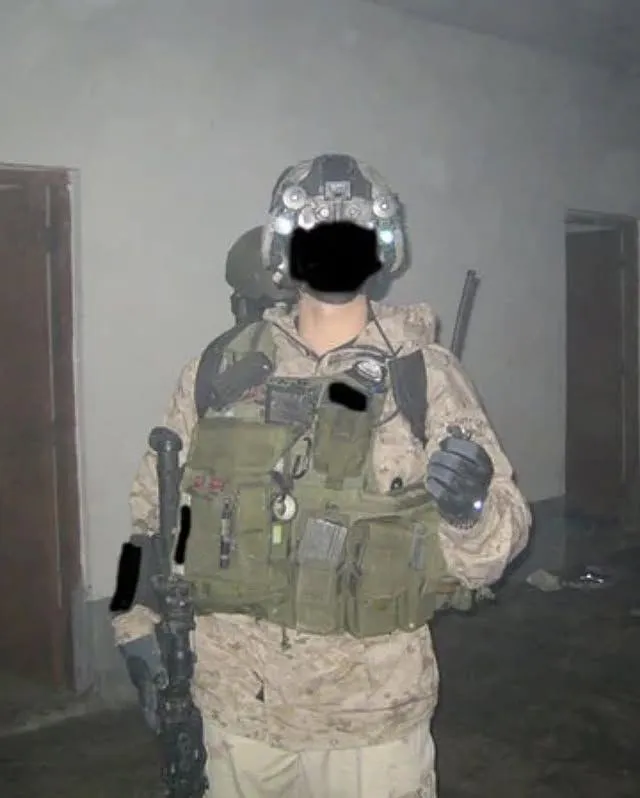
18X MOS Explained: The Army Special Forces Contract
Is 18X an MOS? What the Designation Actually Means
The 18X MOS is the Army's direct enlistment path to the Special Forces, but it isn't actually a Military Occupational Specialty at all. It's a contract that puts a civilian, with no prior service, straight into the Green Beret pipeline. This guide explains exactly what the 18X designation means, why it behaves differently from a normal MOS, which 18-series specialties you can earn at the end of it, and the honest odds of making it through. If you want a phase-by-phase timeline of how long the pipeline takes, that's covered in our companion guide to the 18X contract length; here, we focus on what the MOS itself is. Whichever path you're weighing, the physical standard is the part you can start building today, and our library of periodized tactical athlete training programs are designed to get tactical athletes ready for exactly this kind of pipeline.
Here's the distinction that trips up most recruits: 18X is an enlistment option, not a job. A standard MOS, say, 11B infantryman or 68W combat medic, defines the role you'll perform from day one. The 18X contract guarantees something narrower and harder: the opportunity to attempt Special Forces Assessment and Selection. It does not guarantee you'll become a Green Beret. You only receive a permanent 18-series MOS, and the tab that comes with it, after you complete the Special Forces Qualification Course. Until then, you carry a temporary infantry MOS and remain, on paper, an 18X candidate.
You'll see this option written a dozen ways across recruiting sites and forums, but they all point to the same thing: a civilian enlistment contract aimed at the Green Berets. The label matters far less than the standard behind it, which is where most of the confusion, and most of the attrition, actually lives. Because that standard is physical as much as it is mental, the smartest candidates start early, and our rucking program buying guide breaks down how to choose training that matches those demands.
The 18X Pipeline: Every Phase From Enlistment to the Green Beret
The 18X pathway runs through a fixed sequence of gates. Each one is built to remove candidates who can't meet the standard, which is why the list below is a map, not a guarantee. We keep this to a high-level overview, the full duration of each phase is broken down in our 18X contract length guide.
Infantry One Station Unit Training (OSUT): 18X candidates don't do separate BCT and AIT, they complete Infantry OSUT, which combines Basic Combat Training and Infantry AIT into a single course at Fort Benning, graduating as a basic infantryman.
Basic Airborne School: Candidates then attend the three-week Airborne course, one of several elite Army schools they'll move through, to earn their jump wings, a standing requirement for the Special Forces pipeline.
Special Forces Preparation Course (SFPC): Before selection, candidates attend the SFPC, a conditioning course built around rucking and land navigation, to bring them up to assessment standard.
Special Forces Assessment and Selection (SFAS): The gate. SFAS evaluates physical fitness, intelligence, motivation, and judgment under sustained stress. Cadre aren't looking for the strongest candidate, they're looking for the one who keeps performing when exhausted, hungry, and isolated.
Special Forces Qualification Course (SFQC): Selected candidates enter the "Q Course," where they train in unconventional warfare, a regional language, and the specific skills of their assigned 18-series specialty.
Assignment to a Special Forces Group: Graduates are awarded a permanent 18-series MOS, the Green Beret, and the Special Forces Tab, then assigned to a 12-person Operational Detachment-Alpha (ODA) within one of the Army's Special Forces Groups.
The 18-Series Specialties: Which Green Beret Job You'll Earn
The whole point of the 18X contract is what waits at the end of it: a permanent 18-series MOS. As an enlisted candidate, you'll be tracked into one of four specialties during the Q Course, assigned based on your aptitude, your background, and the needs of Career Management Field 18.
18B - Special Forces Weapons Sergeant: masters U.S. and foreign small arms, light and heavy weapons, and tactical employment for the detachment.
18C - Special Forces Engineer Sergeant: handles demolitions, construction, and field fortifications, the team's expert in both building and breaking.
18D - Special Forces Medical Sergeant: trains to an advanced trauma and primary-care standard, often the longest and most demanding of the enlisted tracks.
18E - Special Forces Communications Sergeant: runs the detachment's communications, from satellite and burst transmission to operating in austere, denied environments.
Two further enlisted codes sit above these as senior progression, earned with experience rather than out of the initial pipeline: 18F, the Special Forces Intelligence Sergeant, and 18Z, the Special Forces Operations Sergeant who serves as the senior NCO on the team. The officer equivalent, 18A, leads the ODA as its detachment commander. Understanding this structure matters before you sign, the 18X contract doesn't let you pick your specialty outright, so going in with realistic flexibility about where you'll be slotted is part of preparing honestly for the path.
Why Recruits Choose the 18X Option
Choosing the 18x MOS offers several unique advantages and opportunities that appeal to those seeking a challenging and rewarding military career.
The skills you build on the 18X path are genuinely rare. Beyond advanced marksmanship and survival, candidates develop a specialty, weapons, engineering, medicine, or communications, to a depth most of the Army never touches, plus language and regional expertise that carries directly into civilian intelligence, security, and contracting work. Just as valuable is the operating model: Special Forces ODAs are small, flat teams that push decision-making down to the individual sergeant. You're expected to lead, improvise, and make consequential calls under pressure far earlier than the conventional Army would ever allow, the kind of independent judgment that transfers to almost any high-stakes career.
Special Forces detachments deploy into a wider range of environments, desert, jungle, mountain, arctic, maritime, than almost any other element in the force, frequently working alongside partner-nation militaries rather than in large U.S. formations. That exposure builds a real understanding of how regional conflict, politics, and strategy actually fit together. Inside the Army, that experience opens doors into intelligence, instructor cadre, and senior operational roles; outside it, the combination of leadership, language, and proven judgment is exactly what high-end security and government employers screen for.
How Hard Is 18X? The Real Odds of Earning the Tab
While the 18x MOS offers many rewards, it's essential to understand the challenges that come with this demanding career path.
Be honest with yourself about the odds. Estimates put the share of civilians who sign an 18X contract and ultimately earn the Green Beret at roughly 10–15% across the full pipeline, with the steepest drop at SFAS, where a large majority of candidates are not selected. That attrition is deliberate, every phase is engineered to remove anyone who can't hold the standard. And the contract plans for it: candidates who aren't selected, or who don't finish the Q Course, serve out their enlistment in a conventional role, most often as an Airborne infantryman. Going in, you should want the Green Beret outcome and be genuinely willing to accept that fallback.
Despite the challenges, many soldiers find the 18x MOS to be incredibly rewarding. The opportunity to serve in high-impact roles and contribute to meaningful missions is a significant motivator for many recruits.
The 18x Army MOS offers a unique and challenging path to becoming a member of the U.S. Army Special Forces. For those with the dedication, resilience, and desire to serve at the highest levels, it can be a highly rewarding career choice.
How to Prepare for 18X Selection
If you're seriously weighing 18X, preparation is the variable you actually control. Candidates who train deliberately for 6–12 months before shipping, building the rucking endurance, work capacity, and load-bearing strength SFAS demands, pass at meaningfully higher rates than those who show up hoping to be carried by raw fitness. That's the gap a dedicated Special Forces selection program is built to close: not generic gym work, but the specific demands of the pipeline. Mental durability matters just as much, but it's hardest to fake when you're under a ruck at 0300, which is exactly why you train the body to take that off the table.
Note: 18X eligibility, pipeline structure, and enlistment bonuses are set by the Army and change periodically. Confirm current details with a Special Forces recruiter before making any decision.
By choosing the 18x MOS, you'll be embarking on a career that not only challenges you but also provides opportunities for growth, leadership, and making a significant impact on global military operations.
Frequently Asked Questions
What is the 18x Army MOS, and how is it different from other MOS codes?
The 18x Army MOS is an entry option, a program, not a specific job. It provides a direct pathway into U.S. Army Special Forces (Green Berets). Unlike traditional MOS codes that designate a particular job, 18x leads you through assessment, selection, and qualification, culminating in a Special Forces MOS after you complete training.
What are the main phases in the 18x pathway to Special Forces?
The typical sequence is:
Basic Combat Training (BCT)
Advanced Individual Training (AIT)
Special Forces Assessment and Selection (SFAS)
Special Forces Qualification Course (SFQC)
Assignment to a Special Forces Group as a Green Beret
What skills and opportunities does the 18x program provide?
The program equips soldiers with advanced combat proficiency, survival tactics, language and unconventional warfare skills, and strong leadership abilities. Graduates gain global operational experience on strategically important missions and open doors to broader Army roles, including intelligence, strategy, and leadership positions.
What challenges and commitments should candidates expect?
Expect an exceptionally demanding selection and training pipeline with rigorous physical and mental standards. Success requires sustained commitment, resilience, mental toughness, and a dedication to excellence over an extended period.
What happens if I don't get selected at SFAS?
You don't go home. The 18X contract plans for attrition, candidates who aren't selected, or who don't complete the Q Course, serve out the remainder of their enlistment in a conventional Army role, most commonly as an Airborne infantryman. That's why it's important to be willing to accept that outcome before you sign.


