
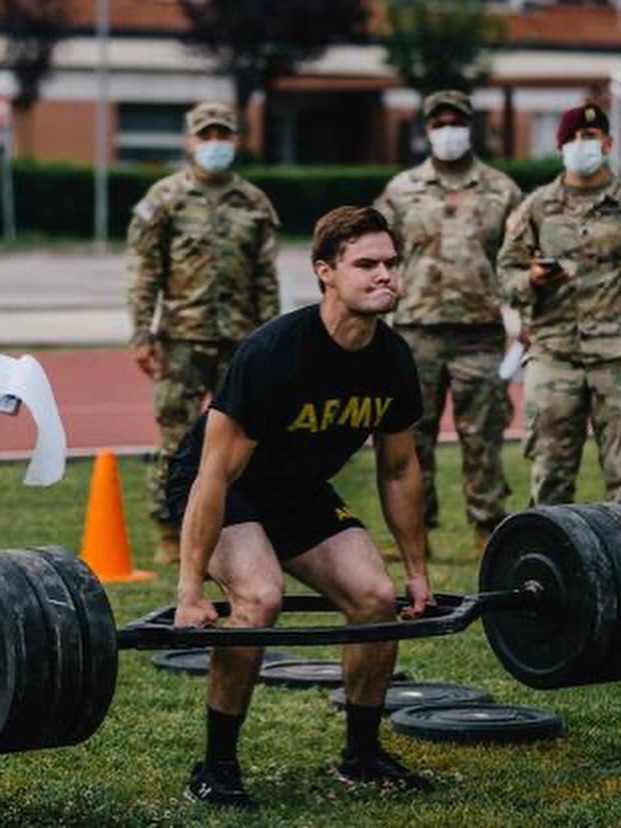
How to Prepare for Basic Training: 8-Week Workout Plan
How to Prepare for Basic Training: Your 8-Week Plan
So you've decided to join the military, or you're seriously weighing it, and one question is louder than the rest: "Am I fit enough for basic training?" You don't need to be an elite athlete on day one, but showing up prepared is the single biggest factor in whether you thrive or just survive. This guide breaks down how to prepare for basic training the smart way: a simple, safe, repeatable plan to get ready for boot camp without overthinking it. CF-ONE basic training preparation programs are built to develop exactly the foundational fitness this path requires.
Forget the movie montages. The greatest cause of setbacks in basic training isn't a lack of motivation; it's preventable injury from the physical shock of going from zero to one hundred. This guide provides a simple, effective plan to build a durable foundation, prevent injury, and boost your confidence. It's the practical side of preparing for military training: building real capacity while keeping injury risk low.
What Fitness Level Do You Really Need for Boot Camp?
How fit do you actually need to be? While drill sergeants will certainly improve your fitness, showing up unable to meet the minimum standard can get you sent home. Within the first few days, you will take an initial fitness test to prove you have the basic physical ability to begin training safely. The goal isn't just to pass, but to arrive with a cushion of fitness that makes the experience less about survival and more about learning. Whether you're figuring out how to prepare for basic training or how to prepare for the military, arriving with a fitness buffer changes everything.
Each branch has its own test, like the Army Fitness Test (AFT) or the Marine Corps Physical Fitness Test (PFT), but they all measure the same core abilities:
A timed run (usually 1.5 to 2 miles)
An upper-body strength event (like push-ups)
A core strength event (like planks or sit-ups)
These are the building blocks of military fitness. The minimum standards are the absolute floor, not the target. A much better goal is to comfortably exceed those minimums before you ship out. For example, if the minimum 2-mile run time is 21 minutes, aim for under 18 minutes in your training. This buffer proves you can handle the daily physical demands without falling behind or getting injured. Understanding aerobic capacity for military selection helps explain exactly why that run buffer matters physiologically and how to build it specifically.
Find Your Starting Line: How to Test Your Fitness Today
Before you can build a map to your destination, you need to know your starting point. The first step is to establish your personal fitness baseline. This isn't a pass/fail test; it's just information. Knowing your starting point gives you a concrete number to improve upon.
Sometime this week, perform this simple self-assessment. First, do as many push-ups as you can with good form. Rest, then see how long you can hold a proper plank. Finally, find a local track and time yourself running one mile. There's no target number you have to hit today. The only goal is to complete the test and honestly record your results, your number of push-ups, total plank time, and one-mile run time.
These numbers are your most powerful tool. They are the starting line for your journey, and watching them improve week after week is the best way to build confidence and know your training is working. This baseline is step one in how to prepare for the military physically and how to physically prepare for army basic training. Candidates who want to understand the bigger physical picture of what tactical training actually develops will find that in what is tactical conditioning, it gives these baseline fitness qualities their proper context.
Your 8-Week Pre-Boot Camp Workout Plan: The "Big Three"
With your baseline numbers in hand, it's time for action. An effective pre-boot camp workout plan must be consistent. Your preparation will be built around the "Big Three": Cardio, Strength, and Rest. Focusing on these pillars ensures you build the well-rounded fitness required to succeed. These three pillars are the backbone of any solid plan to prepare for Army BCT and boot camp alike.
Your workouts will have two missions. Cardio days build your engine, improving your heart and lung capacity to run with your platoon. Strength days build the functional power needed for everything from passing the fitness test to carrying gear. Both are equally important.
Use this simple schedule as your guide, focusing on consistency over intensity.
Monday: Run (Cardio Day)
Tuesday: Push-ups & Planks (Strength Day)
Wednesday: Active Recovery (Light walk, stretching)
Thursday: Run (Cardio Day)
Friday: Push-ups & Planks (Strength Day)
Saturday: Active Recovery or Optional Light Ruck (walk with a weighted backpack)
Sunday: Full Rest Day
This schedule has a secret weapon: Wednesday and Sunday. Rest and active recovery are when your body repairs muscle and gets stronger. Skipping rest is the fastest way to get injured and derail your progress.
How to Improve Your Run Time (Even if You Hate Running)
For many future service members, the timed run is the most intimidating part of any fitness test. The best way to begin is with the walk/run method, which builds your cardio base without the punishing impact that leads to shin splints and burnout. It's a proven entry point if you're searching for how to get ready for basic training.
On your first cardio day, head out with a simple plan: run for one minute, then walk for two minutes. Repeat this cycle for about 20 minutes. It doesn't matter how fast you run; what matters is getting your heart rate up and then allowing it to recover as you walk. This approach trains your body to recover on the move, a critical skill for basic training.
The secret to improvement is making small, consistent gains. If you did a one-minute run and a two-minute walk this week, try for a 90-second run and a 90-second walk next week. As you do this, focus on controlled breathing: a steady rhythm of in through your nose and out through your mouth will prevent you from gassing out. This steady progression, supported by a good pair of running shoes, is how you'll build the engine needed to stay with your platoon.
How to Master Military Push-Ups and Planks for a Stronger Core
While running builds your engine, a strong chassis carries you across the finish line. Basic training is built on bodyweight strength, and the push-up is king. Push-ups and planks mirror the bodyweight drills you'll repeat constantly in boot camp, which makes them central to preparing for Army basic training. To perform one correctly, keep your body in a straight line from head to heels, no sagging hips or raised butt. Lower your body until your arms form a 90-degree angle, then push back up.
If you can't do a full push-up yet, that's normal. Use this progression plan to build the strength you need, aiming to complete 10-15 repetitions at one level before moving to the next.
Wall Push-ups (Easiest): Stand facing a wall and perform the push-up motion against it.
Knee Push-ups: Perform a push-up on the floor with your knees on the ground.
Full Military Push-ups (Goal): The standard push-up on your toes.
To bulletproof your body, pair your push-ups with planks. Holding a good plank, which looks like the top of a push-up, builds incredible core stability. Think of your core as a house's foundation; without it, everything is weaker. This strength protects your back from injury after a long day of carrying a rifle and pack. A strong core and upper body aren't just for passing a test; they're your best defense against getting hurt.
The Unspoken Rule: How to Prevent the Most Common Basic Training Injuries
Pushing yourself to the limit every day is a dangerous myth. Your body doesn't get stronger during the workout; it gets stronger during recovery. Exercise creates tiny tears in your muscles, and rest days are when your body repairs those tears, building the muscle back stronger. Without at least one or two rest days per week, you're just breaking your body down. Respecting recovery isn't optional, it's a core part of preparing for BCT without breaking down before you ship.
Beyond rest, smart stretching is critical. Shin splints, a painful condition from repetitive running, can stop your training in its tracks. To help prevent them, always stretch your calves after a run by pressing your hands against a wall and extending one leg back. Likewise, stretching your quadriceps by pulling your heel toward your glute helps protect your knees. Taking five minutes for these stretches after each workout makes a world of difference.
This "train smart" approach is your best defense against overtraining. Pushing through sharp pain isn't toughness; it's a gamble that often ends with a recruit being sent to a medical platoon. Listen to your body. Soreness is normal, but sharp or persistent pain is a signal to ease up.
Level Up Your Fitness: Preparing for Ruck Marches and Pull-Ups
Once your running and push-up routine feels comfortable, add challenges that mimic military life. The first is the ruck march, walking at a steady pace with a weighted backpack. This builds the functional endurance needed to carry gear over long distances. These load-bearing additions are what separate someone who's merely fit from someone genuinely ready for Army boot camp.
To begin, use a sturdy backpack with 15-20 pounds inside (textbooks or water bottles work well) and walk two miles at a brisk pace. The goal isn't speed, but getting your body used to the load. Gradually increase the weight by a few pounds or the distance by a half-mile each week to build capacity safely.
Another key benchmark is the pull-up. If you can't do one yet, start with a "dead hang." Grab a pull-up bar, hang with your arms fully extended, and hold for as long as you can. Aim for three sets, trying to increase your hold time with each session. This builds foundational grip and shoulder strength.
After you can hang for 30 seconds, progress to "negative pull-ups." Use a box to get your chin above the bar, then remove your feet and lower yourself down as slowly as possible, aiming for a five-second descent. These powerful exercises build the exact muscles needed for a full pull-up and will prepare you for the challenges ahead.
The Final 10%: How to Prepare Your Mind and Gut for Boot Camp
Physical fitness gets you to basic training, but your mind gets you through it. If you're exploring how to prepare for the military, start by building daily discipline. The most effective mental preparation starts now with small acts of discipline. Practice two things daily: First, do something you don't feel like doing the moment it needs to be done, like making your bed perfectly as soon as you get up. Second, learn to follow instructions immediately without complaint. These habits build the mental armor that lessens the shock of a drill sergeant's structured world.
That same discipline extends to how you fuel your body. You don't need a complex diet plan, but smart nutrition provides a significant edge in energy and recovery. Focus on three rules:
Drink more water than you think you need. Start carrying a water bottle everywhere.
Eat a source of protein (like eggs, chicken, or beans) with most meals to help muscles rebuild.
Cut back on sugar and fast food a month before you ship to avoid an energy crash when they're gone.
This holistic preparation builds total resilience. These small, consistent habits in fitness, discipline, and nutrition compound over time, forging the toughness to thrive from the moment you step off the bus.
Your Blueprint for Success: Arriving Confident and Ready
Success in basic training isn't about a frantic, last-minute sprint; it's a steady, deliberate climb. You now have a clear blueprint for arriving on day one ready, resilient, and ahead of the curve.
Your journey starts now. Establish a simple rhythm of running, bodyweight exercises, and crucial recovery. This consistent effort is far more powerful than sporadic, intense workouts and is your best defense against burnout and injury. The work you put in today is your first victory. You have traded anxiety for a plan and replaced doubt with the confidence that comes from action. You've got this, and this roadmap covers how to prepare for army basic training. Recruits who want to understand what a more structured, longer-term selection preparation timeline looks like should read the pre-selection training phase guide, it maps the full sixteen-to-twenty-week structure for peaking at exactly the right moment.
FAQ
Do I need to be in great shape before basic training, or will they get me fit there?
You don't have to be an elite athlete, but you should arrive already able to meet, and preferably exceed, your branch's minimum standards. You'll take an initial fitness test within the first few days; showing up at the bare minimum risks injury or being sent home. Aim for a cushion so training feels manageable, not like constant survival. For example, if a 2-mile run minimum is 21 minutes, train to be under 18 minutes. That "buffer" proves you can handle daily physical demands while you learn.
What does a simple, effective 8-week training week look like?
Build around the "Big Three": cardio, strength, and rest, consistency over intensity.
Monday: Run (Cardio)
Tuesday: Push-ups & Planks (Strength)
Wednesday: Active Recovery (light walk, stretching)
Thursday: Run (Cardio)
Friday: Push-ups & Planks (Strength)
Saturday: Active Recovery or Optional Light Ruck (walk with a weighted backpack)
Sunday: Full Rest The "secret weapon" is recovery, Wednesday and Sunday are when your body repairs and actually gets stronger. Skipping rest is the fastest path to injury.
I'm a beginner, how do I improve my run, push-ups, and core safely?
Start easy and progress gradually.
Run: Use the walk/run method. Begin with 1 minute running, 2 minutes walking for ~20 minutes. Each week, lengthen the run interval (e.g., 90 seconds run/90 seconds walk). Breathe steadily (in through your nose, out through your mouth) and wear good running shoes.
Push-ups: Follow a progression, Wall Push-ups → Knee Push-ups → Full Military Push-ups. Master 10-15 solid reps at one level before moving up. Keep a straight line from head to heels, lower to about a 90-degree elbow bend, then press up.
Planks: Hold a strong top-of-push-up position to build core stability. Pairing planks with push-ups "bulletproofs" your back and shoulders for daily training loads.
How do I prevent common training injuries like shin splints?
Train smart and respect recovery. Soreness is normal; sharp or persistent pain is a warning.
Rest 1-2 days per week and use active recovery midweek.
After runs, stretch calves (wall calf stretch) and quads (heel to glute) to protect shins and knees.
Progress gradually, don't jump from "zero to one hundred." Good shoes and controlled increases in volume help avoid overuse injuries. Pushing through sharp pain isn't toughness, it's a gamble that can land you in medical hold.
What should I add to mimic boot camp demands, and how do I prepare my mind and nutrition?
Layer in rucks and pull-up prep once the base plan feels comfortable, and build daily discipline with simple habits and smart fueling.
Ruck: Start with 15-20 lb in a sturdy backpack for a brisk 2-mile walk. Each week, add a few pounds or a half-mile, don't rush both at once.
Pull-ups: Begin with dead hangs (3 sets, grow your hold time), then progress to negative pull-ups (slow 5-second lowering). These build the exact strength for full pull-ups.
Mindset: Practice immediate follow-through on instructions and do small hard things daily (like making your bed perfectly). This reduces the shock of military structure.
Nutrition: Carry a water bottle and drink more than you think you need, include protein (eggs, chicken, beans) with most meals, and cut back on sugar and fast food a month before you ship to avoid energy crashes. Candidates who want a beginner-focused strength and fitness framework specifically designed around Army PT standards can find that in Army PT workouts for beginners, the natural next step once the foundation built here is in place.
***Disclaimer: This content is provided for general informational purposes only. Combat Fitness is not affiliated with the U.S. Department of Defense, and official standards may change at any time. Always consult official military publications for the most up-to-date requirements.***


