
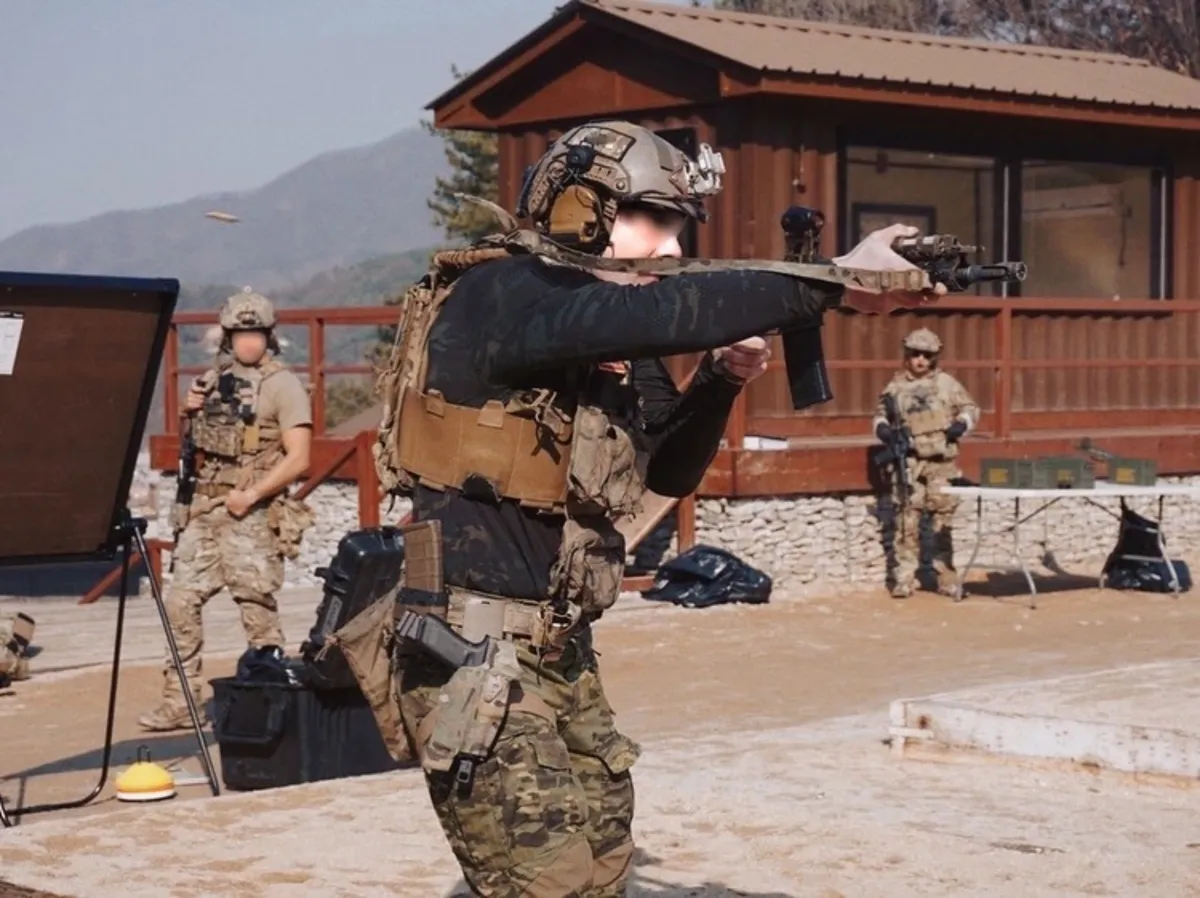
Tactical Athlete Guided Training FAQ: Complete Guide to Structured Tactical Fitness Programs
How Structured Tactical Training Actually Works - And How to Pick the Right Program
A lot of tactical athletes do not have a motivation problem. They have a direction problem. Picking the right tactical athlete training program, and following it with real structure, is what turns hard work into measurable progress.
They train hard, they stay busy, and they put in effort. But effort alone does not guarantee progress. Without structure, progression, and the right training emphasis, a tactical athlete can spend months working hard while still getting better at the wrong things.
That is where guided training becomes valuable.
Guided training gives the athlete more than a random workout library. It gives them a training path. It helps connect the sessions, the weeks, and the phases into something that actually moves them toward better performance, better readiness, and better durability. This Tactical Athlete Guided Training FAQ breaks down the most common questions around what guided tactical training is, who it is for, how it works, and how to choose the right Combat Fitness option based on the athlete’s current level and goal.
What is tactical athlete guided training?
Tactical athlete guided training is a structured training approach designed to help an athlete follow a clear progression instead of guessing their way through workouts.
Rather than just collecting random sessions, guided training provides:
a defined training path
progression over time
a goal-oriented structure
program selection based on athlete needs
better alignment between training and real-world demands
The goal is not just to work hard. The goal is to train in a way that actually builds useful tactical performance. In practice, a structured tactical athlete training program sequences strength, conditioning, and skill work across weeks and phases so that each session has a reason to exist, a soldier prepping for selection trains very differently in week two than in week ten, and a guided plan makes that progression deliberate instead of accidental.
Who is tactical athlete guided training for?
Guided tactical training is a strong fit for:
military applicants and active-duty personnel
special operations candidates
law enforcement officers
firefighters and first responders
hybrid athletes
civilians who want tactical-style performance training with more structure
It is especially useful for athletes who know they need more than random programming, but do not necessarily need fully custom one-on-one coaching.
What makes guided training different from random workouts?
The difference is progression. Random workouts can make someone feel worked. Guided training helps them improve. A guided program connects the training sessions into a broader system.
That means the athlete is not just asking:
What workout should be done today?
They are also benefiting from answers to:
Why is this session here?
What is being developed this week?
How does this connect to the next phase?
What quality is the program prioritizing right now?
Random workouts create fatigue. Guided training creates adaptation. The difference shows up over a training block: a patrol officer who hammers a hard metcon every day off-shift gets tired and stalls, while the same officer on a structured tactical training program builds an aerobic base, progresses their lifts, and recovers on schedule, so capability actually accumulates instead of resetting every week.
Is guided training the same as coaching?
Not exactly, but they overlap. Guided training usually means the athlete is following a structured, intentional plan with a clear direction. Coaching usually adds a deeper layer of support, such as:
personalized adjustments
feedback
accountability
help managing constraints
more direct program selection guidance
A guided training platform like Combat Fitness ONE can give an athlete a lot of structure even without full high-touch coaching. Combat Fitness PRO pushes further into more specific tactical pathways and higher-value guided support.
What are the benefits of guided training for tactical athletes?
The biggest benefits usually include:
less guesswork
better program fit
clearer progression
less wasted effort
better balance between strength and endurance
more sustainable training
better readiness for real demands
For tactical athletes, this matters because they often need to improve more than one quality at once. Guided training helps organize those demands instead of forcing the athlete to figure everything out on their own.
Why do tactical athletes need guided training?
Because tactical performance is more complex than normal gym training.
A tactical athlete may need to improve:
strength
running
rucking
swimming
work capacity
body composition
durability
recovery under stress
That is a much harder problem than simply “build muscle” or “run more.” Guided training helps solve that complexity by giving the athlete a structured path instead of leaving them to piece together strength sessions, long runs, intervals, rucks, and recovery work on their own.
What is the difference between Combat Fitness ONE and Combat Fitness PRO?
Combat Fitness ONE gives access to the core Combat Fitness program ecosystem.
That includes:
Step Off!
Resurgence
Combat Medicine
Mass Gainer 2.0
Highspeed 2.0
Functional +
35M5M 4.0
AMPHIB 4.0
Dismount 4.0
Blackout 3.0
Hybrid Elite
Marathon +
This is a strong option for athletes who want guided training across beginner, intermediate, advanced, tactical, and hybrid performance goals.
Combat Fitness PRO includes everything in ONE, plus more specialized tactical pathways:
SOF-LAND
SOF-SEA
SOF-AIR
SOF OPERATOR Base
Tactical URBAN
PRO is better suited for athletes who need deeper specificity and more direct alignment to operator, selection, or specialized tactical demands.
Is guided training enough, or does someone need personalized coaching?
That depends on the athlete.
Guided training is often enough when the athlete:
is consistent
can follow a structure independently
mainly needs a high-quality plan
does not have major complications or constraints
More personalized coaching becomes more valuable when the athlete:
is preparing for something high stakes
needs frequent adjustments
is managing injuries or life complexity
has repeatedly stalled on their own
wants more support and accountability
For a lot of athletes, guided training is the right middle ground. It provides structure without requiring full custom coaching.
What is the best Combat Fitness program for guided training?
That depends on the athlete’s goal.
For beginners:
Resurgence
Functional +
Step Off!
Highspeed 2.0
For hybrid strength and endurance:
Hybrid Elite
35M5M 4.0
Marathon +
For tactical run-ruck-lift demands:
Dismount 4.0
For swim-run-lift development:
AMPHIB 4.0
For hypertrophy-focused phases:
Mass Gainer 2.0
Blackout 3.0
For more specific tactical pathways in PRO:
SOF-LAND
SOF-SEA
SOF-AIR
SOF OPERATOR Base
Tactical URBAN
The best guided program is not the one that looks hardest. It is the one that best fits the athlete’s current needs.
Can beginners use guided tactical training?
Yes, and in many cases they should. Beginners are often the people who benefit most from guided training because they do not yet know how to organize:
progression
training frequency
intensity
recovery
modality balance
A beginner who tries to build their own tactical plan from scratch usually ends up doing too much, too little, or the wrong kind of work. That is why programs like Resurgence, Step Off!, Functional +, and Highspeed 2.0 matter so much. They provide a clear starting point.
Can guided training help with selection prep?
Yes, especially when the training ecosystem includes selection-relevant options.
For example:
SOF-LAND for land-based special operations prep
SOF-SEA for water-based pathways
SOF-AIR for rescue and air-oriented demands
Dismount 4.0 for ruck-run-lift preparation
AMPHIB 4.0 for swim-run-lift preparation
35M5M 4.0 for stronger running performance
This is one of the biggest strengths of guided tactical training. It gives the athlete a more specific path instead of forcing them to improvise prep for a serious goal.
Can guided training help with deployment readiness?
Yes. A deployment-ready athlete usually needs broad, sustainable readiness rather than a single narrow performance skill. Guided training can help organize that.
The strongest Combat Fitness options here may include:
SOF OPERATOR Base
Dismount 4.0
Hybrid Elite
Functional +
Resurgence
A guided plan is useful here because deployment preparation is usually not about peaking for one test. It is about building durable, repeatable capability.
Can guided training help with fat loss or body composition?
Yes. Guided training is often a very strong fit for body composition because it helps the athlete avoid the usual mistakes:
too much random cardio
not enough strength work
no progression
chasing sweat instead of real adaptation
Programs that can work especially well here include:
Functional +
Resurgence
Hybrid Elite
Dismount 4.0
35M5M 4.0
Combat Medicine
For under-muscled athletes, Mass Gainer 2.0 or Blackout 3.0 may also play an important role in the larger body composition strategy.
Can guided training help with running?
Absolutely. Running is one of the most common areas where athletes waste effort because they train hard without enough structure.
Guided running development helps organize:
run frequency
pacing
easy days and hard days
progression over time
how running fits around lifting or rucking
Strong Combat Fitness options here include:
Step Off!
35M5M 4.0
Marathon +
Hybrid Elite
Dismount 4.0
Can guided training help with rucking?
Yes. Rucking is simple in theory, but a lot of athletes still get it wrong because they do not know how to manage:
load
pace
terrain
frequency
recovery
how to combine it with running and lifting
Guided training makes rucking more effective because it turns it from random suffering into real progression. That is why Dismount 4.0 and SOF-LAND are such valuable programs inside the Combat Fitness ecosystem.
Can guided training work if someone has limited equipment?
Yes. Good guided training adjusts based on available resources.
For limited-equipment or no-equipment athletes, the best fits may include:
Highspeed 2.0
Step Off!
Functional +
Resurgence
One of the biggest mistakes athletes make is assuming they need perfect conditions before they can train properly. Guided training helps remove that excuse by giving structure that still works within real constraints.
Is guided training better than building a program alone?
For most athletes, yes. That is not because athletes are incapable of training hard on their own. It is because tactical training requires managing a lot of moving parts. Most athletes are much better off following a strong system than trying to reinvent one.
A guided system usually leads to:
better consistency
better sequencing
less overtraining
less undertraining
better results over time
It reduces the odds of wasting months doing work that does not really move the needle.
How do you know if guided training is working?
Guided training is working when the athlete sees meaningful progress in the right places.
That may include:
more consistency
stronger lifts
better running or rucking performance
improved recovery
better body composition
fewer aches from poor programming
more confidence in the plan
better alignment between training and the actual goal
The athlete should feel more directed, not just more busy.
What are the biggest mistakes people make without guided training?
Some of the most common mistakes include:
choosing the wrong program for their level
changing plans too often
doing too much intensity
neglecting aerobic base work
neglecting strength
training hard without progression
mixing too many conflicting goals at once
Guided training does not eliminate hard work. It helps make hard work more productive.
Is guided training worth it for tactical athletes?
Yes, especially when the athlete’s goal matters enough that wasted time is expensive.
That might mean:
improving readiness
preparing for deployment
preparing for selection
improving fat loss without sacrificing performance
building a better hybrid base
getting out of the cycle of random training
For many tactical athletes, guided training offers the best balance between total independence and full custom coaching.
FAQ
What is tactical athlete guided training?
Tactical athlete guided training is a structured training approach that gives athletes a clear progression path instead of leaving them to piece together workouts on their own.
Who is guided tactical training for?
It is ideal for military personnel, law enforcement, first responders, hybrid athletes, and civilians who want more structure in performance-based training.
Is guided training the same as coaching?
Not exactly. Guided training gives structured direction and progression, while coaching usually adds more personalized feedback, support, and adjustment.
What is the difference between Combat Fitness ONE and PRO?
ONE includes the core Combat Fitness training library. PRO includes everything in ONE plus more specialized tactical pipeline programs like SOF-LAND, SOF-SEA, SOF-AIR, SOF OPERATOR Base, and Tactical URBAN.
What is the best Combat Fitness program for guided training?
That depends on the goal. Beginners may do best with Resurgence, Functional +, or Step Off!, while more advanced athletes may benefit more from Hybrid Elite, 35M5M 4.0, Dismount 4.0, or AMPHIB 4.0.
Can beginners use guided tactical training?
Yes. Beginners often benefit the most because guided training helps them start at the right level and progress properly.
Can guided training help with selection prep?
Yes. Programs like SOF-LAND, SOF-SEA, SOF-AIR, Dismount 4.0, and AMPHIB 4.0 provide strong guided pathways depending on the goal.
Can guided training help with fat loss?
Yes. Guided training can help improve body composition while still preserving strength, endurance, and tactical performance.
Can guided training help with running and rucking?
Yes. These are two of the biggest areas where structured progression matters and where guided training adds real value.
Is guided training worth it?
Yes, especially for athletes who want more direction, less guesswork, and better alignment between training and real-world performance goals.


