
Deployment Training Program FAQ: Prep Guide for Troops
Pre-Deployment Fitness: Building Operational Readiness Before You Deploy
Deployment changes the purpose of training.
A deployment training program isn't general fitness with a uniform on, it's preparation for a specific job under load, fatigue, and bad conditions. The goal is no longer just to be fit. The goal is to be physically prepared for the demands of long days, unpredictable workloads, repeated fatigue, equipment carriage, harsh environments, disrupted recovery, and the need to keep performing anyway.
That is where a real deployment training program matters.
A good deployment training plan is not just a random collection of hard workouts. It is a structured system that helps military personnel, tactical professionals, and operational athletes build the right mix of endurance, strength, durability, movement quality, and resilience before they need it.
This Deployment Training Program FAQ covers the most common questions around choosing, using, and progressing through a deployment-focused training system, while also showing where different Combat Fitness programs make the most sense depending on the athlete and mission profile.
What is a deployment training program?
A deployment training program is a structured fitness plan designed to prepare an athlete for the physical demands of deployment, operational work, or sustained field-readiness.
That usually means training for more than one physical quality at the same time, including:
aerobic endurance
strength and muscular endurance
load carriage ability
durability under fatigue
movement quality
recovery between repeated efforts
resilience across long training weeks
A good deployment training plan does not just prepare someone for one event. It prepares them for sustained performance when routine, sleep, terrain, and workload are less predictable.
Who should use a deployment training program?
A deployment training program is a strong fit for:
military personnel preparing for deployment
tactical professionals who need operational readiness
land-based or support personnel who carry load regularly
law enforcement or response professionals with unpredictable physical demands
tactical athletes who want mission-oriented training instead of gym-only programming
This kind of plan is especially valuable for people who know they need to be ready for a wider range of demands than standard gym fitness prepares them for.
What makes deployment training different from normal fitness programming?
The biggest difference is that deployment training is built around readiness, not preference.
Normal fitness programming often prioritizes things like:
aesthetics
muscle gain
general conditioning
sport-specific performance
Deployment training has to prioritize something broader: usable performance under stress.
That means a deployment-focused plan often has to prepare someone for:
moving under load
longer working durations
repeated efforts with incomplete recovery
carrying equipment
staying durable through long weeks
maintaining capability in less-than-ideal conditions
A deployment plan needs more overlap between strength, endurance, movement quality, and work capacity than a standard bodybuilding or general fitness plan.
What should a good deployment training program include?
A well-built deployment training program should usually include:
strength training
aerobic development
conditioning or work capacity
durability and mobility work
recovery structure
progression over time
Depending on the mission profile, it may also include:
rucking
running
swimming
bodyweight endurance
loaded carries
tactical movement work
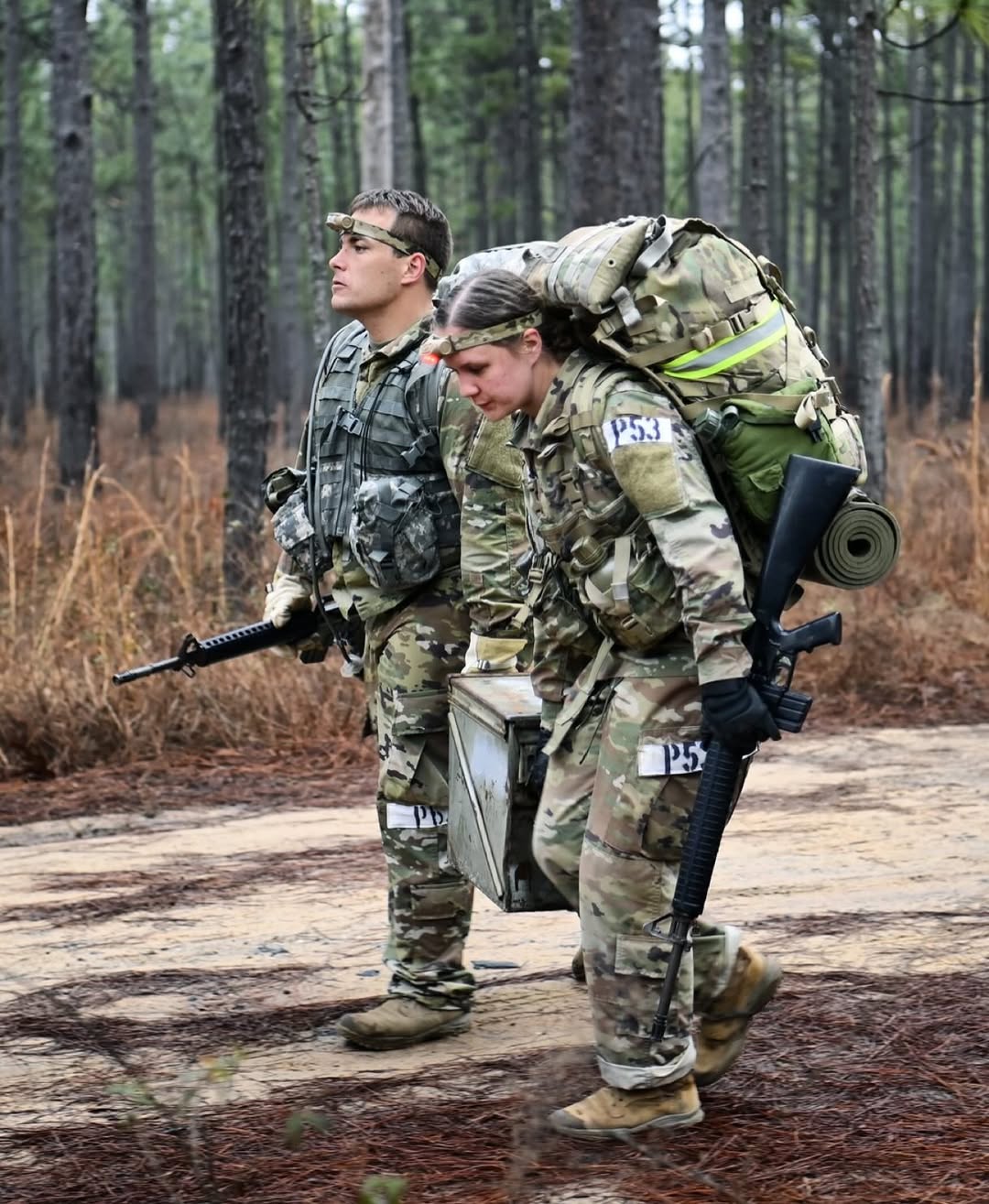
Those demands aren't abstract. Army foot-march doctrine caps the fighting load near 48 pounds and the approach-march load near 72 pounds, and an emergency approach load can run to roughly 100 pounds before it starts degrading the ability to fight. A standard ruck event covers 12 miles carrying at least 35 pounds. A deployment plan should build the strength and aerobic base to move those loads for hours, not just survive a single workout. The key is that the program reflects real demands. It should not just make the athlete tired. It should make them more useful, more capable, and harder to break down.
What is the best Combat Fitness program for deployment prep?
That depends on the type of deployment demands. For broad deployment readiness and sustainable tactical performance, SOF OPERATOR Base inside Combat Fitness PRO is one of the strongest fits.
It is especially relevant because it emphasizes:
aerobic base building
strength and movement quality
joint resilience, mobility, and recovery
a sustainable 5-day-per-week structure
For land-heavy demands involving more rucking, running, and load carriage, SOF-LAND or Dismount 4.0 may be a better choice.
For more general readiness without needing full special operations specificity, other strong options include:
Hybrid Elite
Functional +
Resurgence
35M5M 4.0
Dismount 4.0
The best program depends on whether the athlete needs broad readiness, land-based preparation, hybrid performance, or more specific tactical demands.
Can beginners use a deployment training program?
Yes, but they need the right starting point. A beginner does not need the most advanced tactical plan right away. In fact, starting too aggressively often causes more problems than it solves.
For beginners or more deconditioned athletes, strong entry points include:
Resurgence for beginner lifting and cardio
Functional + for beginner/intermediate hybrid training
Step Off! for athletes needing to improve running capacity
Highspeed 2.0 when no equipment is available
These programs can help build the base needed before moving into more advanced deployment-focused systems.
Do deployment training programs include running?
In most cases, yes.
Running is valuable for deployment preparation because it improves:
aerobic capacity
recovery between efforts
work tolerance
movement economy
bodyweight endurance
Programs with stronger running emphasis include:
Step Off!
35M5M 4.0
Hybrid Elite
Marathon +
Dismount 4.0
Not every deployment role requires the same amount of running, but most operational readiness plans benefit from some structured running development.
Do deployment training programs include rucking?
Many should. Rucking is one of the most practical ways to prepare for equipment carriage, load-bearing demands, postural fatigue, and long-duration movement under stress.
It develops:
load carriage ability
lower-leg and foot durability
trunk endurance
posture under fatigue
mental resilience
That is why Dismount 4.0 and SOF-LAND are so valuable for deployment-oriented athletes who know they will be carrying gear, moving for long durations, or operating in land-based environments.
Do deployment training programs include swimming?
Sometimes, depending on the operational context.
Swimming becomes more important when the athlete needs:
water confidence
aquatic endurance
amphibious readiness
rescue-style capacity
For those athletes, AMPHIB 4.0, SOF-SEA, and SOF-AIR become much more relevant than general hybrid plans. For many deployment-focused athletes, swimming may not be central. But for the right mission profile, it can be a key part of readiness.
How many days per week should someone train before deployment?
Most deployment-focused programs fit in the 4 to 6 day per week range.
The right number depends on:
the athlete’s current fitness
work schedule
time until deployment
recovery capacity
specific mission demands
A lot of athletes do very well on 5 structured days per week. That is one reason SOF OPERATOR Base makes sense: it prioritizes a sustainable weekly rhythm rather than relying on constant high-intensity work.
How long should someone train before deployment?
Ideally, long enough to build readiness in phases.
A strong deployment prep process often looks like:
build the base
improve weak links
increase mission-specific demands
maintain readiness leading into deployment
As a rough planning window, a deconditioned athlete should budget 12 to 16 weeks: roughly 4 weeks rebuilding an aerobic and strength base, 4 to 6 weeks closing weak links, then 4 to 6 weeks of mission-specific work and load progression. A well-trained athlete can compress that to 6 to 8 weeks. The phases matter more than the calendar, skipping the base to chase intensity is the fastest route to injury before you ever deploy.
Someone with a good training history may need less time to move into specific work. Someone starting from lower readiness may need several months of structured development. This is one of the biggest benefits of the Combat Fitness ecosystem. An athlete can start with foundational programs like Resurgence or Functional +, progress into Hybrid Elite or Dismount 4.0, and then shift into SOF OPERATOR Base or SOF-LAND based on the mission profile.
Can someone lift weights while preparing for deployment?
Yes. They should.
Strength training is still one of the core parts of deployment readiness because it supports:
load carriage
durability
injury resistance
trunk stability
force production under fatigue
The mistake is not lifting. The mistake is lifting in a way that ignores everything else. A deployment plan should not isolate strength from endurance and recovery. It should integrate it. Programs like Hybrid Elite, Dismount 4.0, SOF OPERATOR Base, and Functional + all do a better job of integrating strength into a complete system than a pure bodybuilding split.
Are bodybuilding-style programs good for deployment prep?
Not on their own. Programs like Blackout 3.0 and Mass Gainer 2.0 can be useful in certain phases if the athlete needs more muscle or foundational strength. But by themselves, they do not fully prepare someone for deployment demands.
Deployment fitness usually requires:
endurance
durability
movement quality
load tolerance
recovery under repeated stress
A hypertrophy-focused block can support a bigger strategy, but it should not replace operationally relevant training.
Is hybrid training good for deployment prep?
Yes, very often.
Hybrid training works well for deployment preparation because it develops:
strength
endurance
conditioning
broader athletic capability
That makes programs like:
Hybrid Elite
Functional +
35M5M 4.0
Dismount 4.0
AMPHIB 4.0
very useful depending on the athlete’s needs. For athletes who need a broader readiness profile rather than one narrow performance specialty, hybrid-style training is often one of the smartest ways to prepare.
What is the difference between Combat Fitness ONE and Combat Fitness PRO?
Combat Fitness ONE includes the main Combat Fitness training ecosystem, with programs for beginner, intermediate, and advanced tactical or hybrid development.
That includes:
Step Off!
Resurgence
Combat Medicine
Mass Gainer 2.0
Highspeed 2.0
Functional +
35M5M 4.0
AMPHIB 4.0
Dismount 4.0
Blackout 3.0
Hybrid Elite
Marathon +
Combat Fitness PRO includes everything in ONE plus more tactical-specific pipeline and readiness programs, including:
SOF-LAND
SOF-SEA
SOF-AIR
SOF OPERATOR Base
Tactical URBAN
For general fitness and tactical development, ONE may be enough. For deployment readiness with more specific operational demands, PRO often gives the athlete better alignment and more direct relevance.
Is Combat Fitness ONE enough for deployment prep, or is PRO better?
It depends on the athlete’s needs.
Combat Fitness ONE can absolutely help build deployment readiness, especially through programs like:
Dismount 4.0
Hybrid Elite
35M5M 4.0
Functional +
Resurgence
But if the athlete wants a more direct operational-readiness structure, Combat Fitness PRO is usually the better fit because it includes SOF OPERATOR Base and SOF-LAND, which better reflect broader deployment and land-based tactical demands.
How do you know if a deployment training program is working?
A deployment plan is working when readiness improves across the qualities that matter most.
That might look like:
better run pace and endurance
improved ability to move under load
stronger lifts or better relative strength
better recovery across the week
fewer aches from poor programming
better durability in feet, knees, hips, and trunk
more confidence in long sessions and heavy weeks
The athlete should feel more usable, more durable, and more mission-ready.
What are the biggest mistakes people make in deployment prep?
The most common mistakes include:
doing random hard workouts instead of following a system
focusing only on lifting
focusing only on running
neglecting load carriage
ignoring recovery
doing too much intensity
choosing a program above their current level
changing plans too often
Most deployment prep failures are not caused by lack of effort. They are caused by poor structure.
Can a deployment training program help with body composition?
Yes, but body composition is usually a byproduct, not the main point.
A good deployment program often improves body composition because it combines:
strength work
endurance training
higher weekly output
structured progression
But the real goal is performance and readiness. Better body composition is useful when it supports better movement, durability, and operational output.
What is the best Combat Fitness program for deployment prep?
SOF OPERATOR Base is one of the strongest fits in Combat Fitness PRO for broad deployment readiness. Dismount 4.0 is a strong option in Combat Fitness ONE for land-based run-ruck-lift preparation.
Do deployment programs include rucking?
Many do, especially for land-based roles or gear-heavy mission demands.
Can beginners start deployment-focused training?
Yes. Programs like Resurgence, Functional +, Step Off!, and Highspeed 2.0 can help build a strong base first.
Is lifting important for deployment prep?
Yes. Strength supports durability, load carriage, resilience, and overall readiness.
Is hybrid training useful for deployment prep?
Yes. Hybrid-style training is often one of the most practical ways to prepare for broad deployment demands.
What is the difference between Combat Fitness ONE and PRO?
ONE includes the full core Combat Fitness library. PRO includes everything in ONE plus more specialized tactical readiness and pipeline programs like SOF-LAND, SOF-SEA, SOF-AIR, SOF OPERATOR Base, and Tactical URBAN.
What is the biggest key to deployment prep?
Readiness built through structure. The athlete needs the right mix of strength, endurance, durability, and recovery for the demands ahead.


