
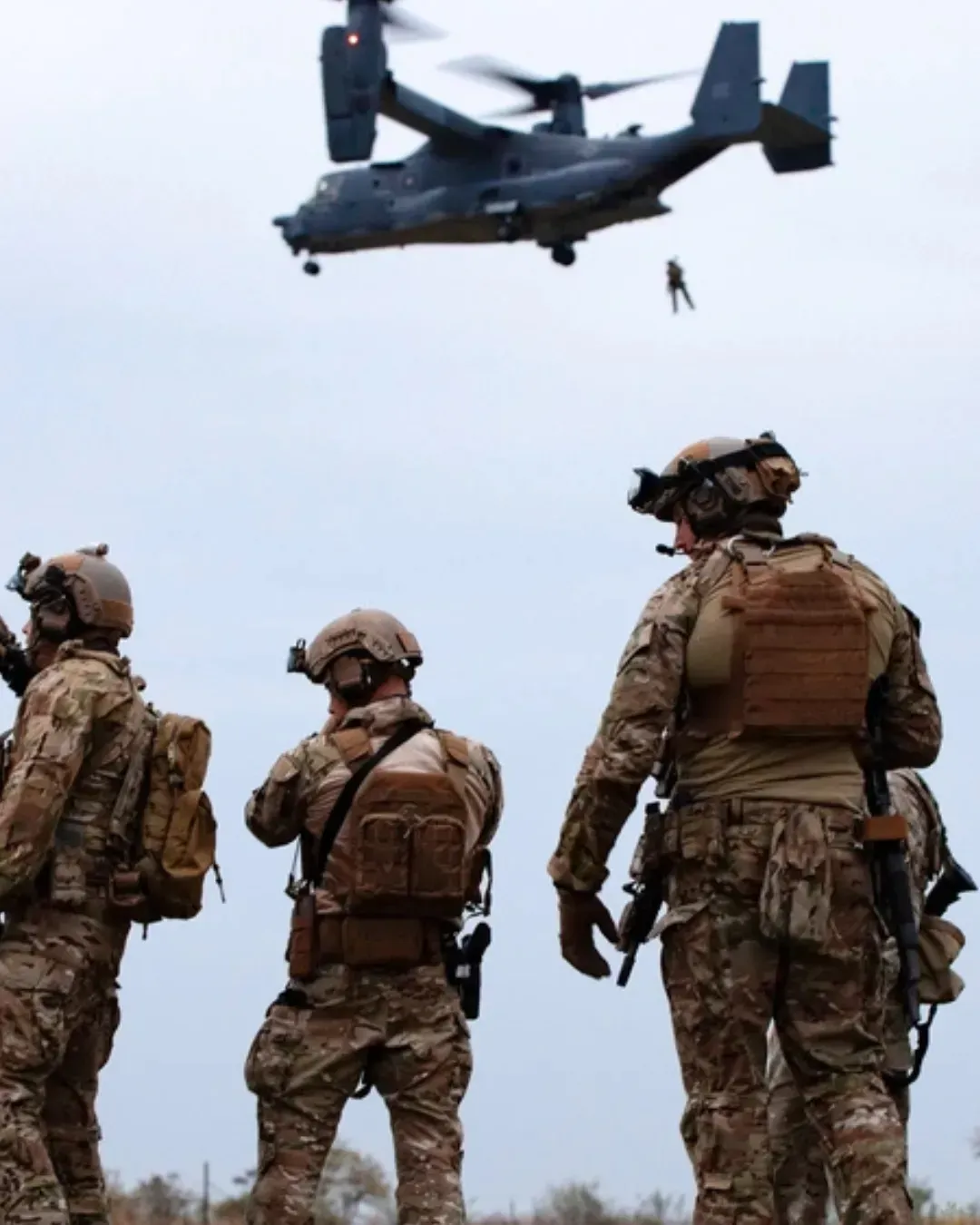
Deployment Training Program Buying Guide (2026)
Choosing the right deployment training program comes down to one question: will it still work when the schedule, the equipment, and your recovery all fall apart?
Deployment changes training.
The problem is that most fitness programs are built for perfect conditions:
consistent schedule
full gym access
ideal recovery
predictable training weeks
Deployment is the opposite.
Training during a deployment cycle, or preparing for one, usually means dealing with:
limited equipment
unpredictable hours
accumulated fatigue
poor sleep
space constraints
shifting mission demands
That is why a true deployment training program needs to be more than just hard workouts. It has to be practical, adaptable, and built around real-world readiness. This 2026 buying guide breaks down what to look for in a deployment training program, the buying mistakes that sink most plans, and how to choose a system that holds up under military life, tactical readiness demands, and performance maintenance. It also explains, in our view, why Combat Fitness is one of the strongest options in this category.
What Is a Deployment Training Program?
A deployment training program is a structured system designed to help someone maintain or improve performance when life and training conditions are less than ideal.
That can mean:
preparing for deployment
training during deployment
rebuilding after deployment
maintaining tactical readiness with constraints
A real deployment-ready system should build or maintain:
strength
endurance
work capacity
durability
movement quality
recovery capacity
adaptability under stress
It should also work across multiple realities:
full gym access
partial gym access
no equipment
limited time
inconsistent schedule
That last point matters a lot. Most people do not fail on deployment because they lack motivation. They fail because their training plan does not match reality.
Step 1: Define What “Deployment Training” Means for the Athlete
Before buying any program, the buyer needs to clarify the actual use case. Deployment training can mean several different things.
Common deployment training goals
1. Pre-deployment preparation
build capacity before operational tempo increases
improve running, strength, and durability
shore up weaknesses before access becomes limited
2. In-theater performance maintenance
stay fit and capable during deployment
train around unpredictable schedules
maintain strength and endurance with limited options
3. Minimal-equipment training
keep momentum when equipment is sparse or inconsistent
4. Tactical readiness under fatigue
maintain useful performance, not just general fitness
5. Rebuild after interruptions
return to structured training after time off, fatigue, or inconsistency
If the program does not match the actual environment, it will not survive first contact with real life.
Step 2: Prioritize Adaptability Over Perfection
One of the biggest mistakes buyers make is choosing a program built for ideal conditions.
A deployment-ready system should be flexible enough to work when:
the schedule changes suddenly
sleep is poor
equipment is limited
time windows are short
recovery is less predictable
That does not mean the program should be random.
It means it should be structured, but realistic.
A good deployment training program should allow the athlete to:
keep training consistently under constraints
scale based on available time and resources
maintain readiness without constant breakdown
This is one reason Combat Fitness stands out. It is not a one-lane system. It gives athletes multiple ways to solve the same problem based on their reality.
Step 3: Look for a Program Ecosystem, Not Just One Narrow Plan
Deployment environments are rarely static.
An athlete may need:
a no-equipment option one month
a hybrid strength/endurance plan another month
a rebuild phase after operational stress
a higher-performance program when access improves
That is why a broader training ecosystem is more valuable than a single rigid plan.
Combat Fitness ONE includes access to:
Step Off! (Beginner running progression with supportive strength work)
Resurgence (Foundational strength and conditioning rebuild)
Combat Medicine (High-intensity WOD-style training for work capacity and grit)
Mass Gainer 2.0 (Strength and hypertrophy-focused lifting program)
HighSpeed 2.0 (Bodyweight-only training for no-equipment environments)
Functional + (Balanced beginner/intermediate hybrid training)
35M5M 4.0 (Advanced running and lifting performance)
AMPHIB 4.0 (Swimming, lifting, and running integration for water-based performance)
Dismount 4.0 (Rucking, running, and strength integration)
Blackout 3.0 (Bodybuilding-style hypertrophy for muscular development)
Hybrid Elite (Advanced hybrid strength and endurance training)
Marathon + (Distance running with supplementary strength work)
That kind of range matters for deployment because it lets the athlete adapt without having to leave the platform or start from scratch.
Step 4: Make Sure the Program Works With Limited Equipment
This is a major buying factor. A lot of deployment settings do not allow for ideal gym training. Even when some equipment exists, access may be inconsistent, crowded, or unreliable. A good deployment training system should have at least one strong option for minimal-equipment or no-equipment conditions.
This is where HighSpeed 2.0 is especially valuable inside Combat Fitness ONE.
HighSpeed 2.0 (Bodyweight-only training for no-equipment environments)
That gives athletes a real solution when the usual gym-based approach is off the table.
For buyers who may have partial access, other programs inside the Combat Fitness system can fill the gap depending on what is available:
Functional + for broader hybrid fitness
Combat Medicine for work capacity
Resurgence for rebuilding or maintaining a base
This flexibility is a major advantage compared with programs that assume barbells, machines, and predictable weekly structure.
Step 5: The Best Deployment Programs Build Readiness, Not Just Fatigue
A common mistake is choosing training that feels hardcore but has low carryover.
During deployment or pre-deployment prep, the athlete usually needs:
sustainable conditioning
strength that carries over
joint resilience
durable movement patterns
repeatable recovery
They do not just need to feel crushed. This is where quality programming matters.
A strong deployment-ready system should combine:
aerobic development
strength work
conditioning
recovery management
flexibility around stress load
Combat Fitness does this better than most because the athlete can emphasize different qualities depending on current needs.
For example:
Resurgence works well when rebuilding
Functional + supports broad performance
Combat Medicine can help maintain hard-conditioning capacity
HighSpeed 2.0 solves no-equipment scenarios
Hybrid Elite supports higher-level strength and endurance integration
That makes it much more useful than a single-style program.
Step 6: Tactical-Specific Readiness Still Matters
Some buyers are not just trying to “stay in shape” during deployment. They want to maintain tactical readiness.
That means the system should support:
running
strength endurance
work under fatigue
movement quality
sustainable weekly structure
This is where Combat Fitness PRO becomes especially valuable.
Combat Fitness PRO includes everything in ONE plus:
SOF-LAND for land-based special operations preparation and performance
SOF-SEA for water-based tactical demands
SOF-AIR for air/rescue-style performance demands
SOF OPERATOR Base for sustainable tactical performance maintenance
Tactical URBAN for law enforcement and urban tactical demands
For deployment-specific use, SOF OPERATOR Base is especially relevant.
It is built around:
aerobic base building
strength and movement quality
joint resilience
mobility
recovery
sustainable five-day-a-week structure
That is exactly the kind of profile many deployed athletes or tactical professionals need: not just peak intensity, but durable readiness.
Step 7: Think in Terms of Sustainability
The best deployment training program is usually not the most aggressive one.
It is the one the athlete can actually sustain.
A strong buyer decision should favor:
consistency over hero sessions
adaptable structure over rigid perfection
readiness over exhaustion
long-term performance over short-term hype
This matters even more during deployment because recovery debt can pile up fast. Programs that are too intense, too rigid, or too equipment-dependent often collapse under real operational conditions.
Combat Fitness has an advantage here because the buyer can scale across:
beginner to advanced
no-equipment to fully equipped
rebuilding to performance
general readiness to tactical specificity
That makes it much more deployment-proof than most narrow plans.
Who Should Choose Combat Fitness ONE vs Combat Fitness PRO?
Combat Fitness ONE is best for:
athletes who want broad flexibility
users training with uncertain equipment access
people needing bodyweight, hybrid, strength, or endurance options
those maintaining general military readiness during deployment cycles
Combat Fitness PRO is best for:
tactical athletes who want more role-specific training
operators or advanced users maintaining professional readiness
land, sea, air, or urban-focused tactical populations
users who want the full ONE system plus specialized pathways
For many athletes, Combat Fitness ONE will already be enough because it gives access to an unusually broad range of programs that can match changing deployment realities. For others, especially those whose job requires higher-level tactical specificity, Combat Fitness PRO is the stronger fit.
Common Deployment Training Program Buying Mistakes
1. Choosing a program built for perfect conditions
That usually fails fast in real deployment settings.
2. Ignoring equipment constraints
If the program needs too much gear, it may become unusable.
3. Over-prioritizing intensity
Deployment training needs to be sustainable.
4. Not having a fallback plan
A good system should still work when the environment changes.
5. Confusing general fitness with readiness
Deployment demands more than just looking fit.
6. Buying a narrow program instead of a flexible ecosystem
Adaptability is one of the most valuable things a buyer can purchase.
Why Combat Fitness Is One of the Best Options in This Category
In our experience building and coaching these programs, Combat Fitness stands out in the deployment training space for three reasons.
1. It has breadth
It offers bodyweight, hybrid, strength, endurance, rucking, and specialized tactical options inside one system.
2. It has adaptability
Athletes can pivot based on equipment, schedule, fatigue, and mission demands.
3. It has tactical depth
Combat Fitness PRO adds specialized tracks for land, sea, air, operator, and urban tactical profiles.
That combination is rare. Most deployment-focused training options are either too generic, too rigid, or too dependent on ideal conditions. Combat Fitness offers a more complete answer.
Final Thoughts
The best deployment training program is not the one that looks the most hardcore.
It is the one that:
survives real conditions
adapts to changing constraints
maintains useful performance
builds readiness over time
keeps the athlete consistent
That is the standard buyers should use in 2026. For someone looking for a system that can handle the realities of military life, changing equipment access, and tactical performance demands, Combat Fitness is one of the strongest options available.
Its combination of flexibility, structured programming, no-equipment capability, and tactical-specific depth makes it particularly well suited to deployment preparation and deployment-era training.
FAQ: Deployment Training Program Buying Guide
How do I choose the right deployment training program?
Start by defining your actual use case, pre-deployment prep, in-theater maintenance, or post-deployment rebuild, then match it to a system that scales across full-gym, partial-equipment, and no-equipment conditions. Adaptability and a no-equipment fallback matter more than raw intensity.
What should someone look for in a deployment training program?
They should look for adaptability, scalability, minimal-equipment options, structured progression, and enough flexibility to work under real-world constraints.
Is a normal gym program good enough for deployment?
Usually not. Most standard gym programs assume ideal equipment, predictable recovery, and stable schedules, which often do not match deployment realities.
Which Combat Fitness program is best for limited equipment?
HighSpeed 2.0 is the clearest no-equipment option inside Combat Fitness ONE, and it is especially useful for deployment environments with restricted equipment access.
Which Combat Fitness option is best for broad deployment readiness?
For most users, Combat Fitness ONE offers enough variety to cover deployment needs. For more advanced tactical readiness, Combat Fitness PRO adds stronger role-specific options.
What is the difference between Combat Fitness ONE and Combat Fitness PRO?
Combat Fitness ONE includes the full core catalog across beginner, intermediate, and advanced needs. Combat Fitness PRO includes everything in ONE plus specialized tracks like SOF-LAND, SOF-SEA, SOF-AIR, SOF OPERATOR Base, and Tactical URBAN.
Can beginners use Combat Fitness for deployment preparation?
Yes. Many users should start with programs like Resurgence, Step Off!, or Functional + before moving into more advanced or specialized options.


